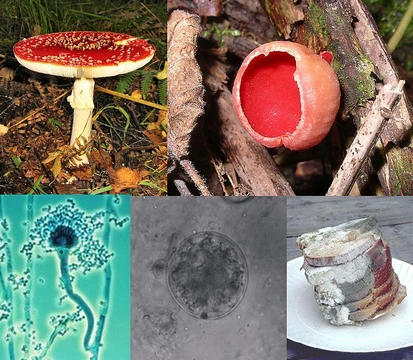
Blastocladiomycota
Early diverging fungal phylum with alternation of generations.

Prof. Meike Piepenbring · CC BY-SA 3.0
Blastocladiomycota is a phylum within the kingdom Fungi, originally classified as the order Blastocladiales within Chytridiomycota until molecular and zoospore ultrastructural data showed it was not monophyletic with that group. Members are often called 'blastoclads' by mycologists, though they are also referred to colloquially as 'chytrids,' a term some restrict to Chytridiomycota. This early diverging branch is the first fungal group to exhibit alternation of generations and includes two once-popular model organisms: Allomyces macrogynus and Blastocladiella emersonii.
- phylum
- Blastocladiomycota
- classification
- Kingdom Fungi
- families
- 5
- genera
- approximately 12
- key_trait
- First fungal group to exhibit alternation of generations
- model_organisms
- Allomyces macrogynus, Blastocladiella emersonii
Lore & Background
Blastocladiomycota was originally the order Blastocladiales within Chytridiomycota, first erected by Petersen for a single genus, Blastocladia, which was initially considered a member of the oomycetes. Molecular and zoospore ultrastructural characters later demonstrated it was not monophyletic with Chytridiomycota, leading to its recognition as a separate phylum. Morphology within the group varies greatly: some members are simple and plasmodial, others monocentric or polycentric, and some, like Allomyces, show determinant, differentiated growth.
Reader's Guide
Blastocladiomycota holds significance as an early diverging branch of Fungi that first evolved alternation of generations, a key life-cycle innovation. Its members play diverse ecological roles: some are saprotrophs on refractory materials like pollen and chitin, while others are parasites of nematodes, midges, crustaceans, mosquitoes, water bears, and plants. Economically important species include Physoderma maydis, which causes brown spot disease in maize, and Urophlyctis species that parasitize alfalfa. The phylum also includes Coelomomyces, an unusual parasite of mosquitoes requiring an alternate crustacean host. Taxonomically, Blastocladiomycota contains two classes—Physodermatomycetes and Blastocladiomycetes—with five families and about twelve genera. Its model organisms, Allomyces macrogynus and Blastocladiella emersonii, have been used in research, though their prominence has waned. The phylum's recognition resolved a long-standing taxonomic confusion with Chytridiomycota, clarifying fungal phylogeny.
Did You Know?
- Blastocladiomycota was originally classified as an order within Chytridiomycota until molecular and ultrastructural data showed it was not monophyletic with that group.
- Members of Blastocladiomycota are the first fungi known to exhibit alternation of generations.
- Some asexual zoospores in this phylum have been observed pairing up and exchanging cytoplasm without exchanging nuclei.
- The phylum includes Coelomomyces, a parasite of mosquitoes that requires an alternate crustacean host to complete its life cycle.
Taxonomic Odyssey: From Oomycete to Independent Phylum
Blastocladiomycota has undergone a remarkable reclassification journey. The group was first recognized when Petersen erected the order Blastocladiales in 1909, initially to house a single genus, Blastocladia, which at the time was thought to belong to the oomycetes. For decades, these organisms were nested within the phylum Chytridiomycota, and many people still colloquially call them "chytrids." However, advances in molecular phylogenetics and detailed ultrastructural examination of zoospores revealed that Blastocladiales was not monophyletic with the rest of Chytridiomycota. This evidence ultimately elevated the group to phylum-level status, now encompassing five families and roughly twelve genera. Mycologists who wish to avoid the misleading "chytrid" label have settled on the term "blastoclads" for these organisms. Some researchers prefer to group Blastocladiomycota together with Chytridiomycota and Neocallimastigomycota under the broader umbrella of "zoosporic true fungi." As one of the earliest diverging lineages within the kingdom Fungi, Blastocladiomycota holds a special evolutionary position: it is the first fungal branch to display alternation of generations. Two once-popular model organisms, Allomyces macrogynus and Blastocladiella emersonii, belong to this phylum, underscoring its importance in fundamental biological research.
A Spectrum of Body Plans
The morphological landscape within Blastocladiomycota is strikingly broad, ranging from the simplest undifferentiated forms to elaborately structured multicellular organisms. At one extreme, members of the family Coelomycetaceae exist as simple, unwalled, plasmodial entities—essentially amorphous masses of cytoplasm lacking a rigid cell boundary. At the other end of the spectrum, species of the genus Blastocladia display either a monocentric body plan reminiscent of typical chytrids or a polycentric arrangement, demonstrating that even within a single genus, structural complexity can vary considerably. Perhaps the most visually impressive members are those like Allomyces, which exhibit what mycologists describe as determinant, differentiated growth. In these organisms, the body is clearly organized into distinct regions with specialized functions, a level of architectural complexity that sets them apart from their simpler relatives. This extraordinary range—from amorphous plasmodia to structured, branched thalli—makes Blastocladiomycota a compelling subject for understanding how fungal body plans evolved from simple to complex.
Reproduction: Alternation of Generations and Anisogamy
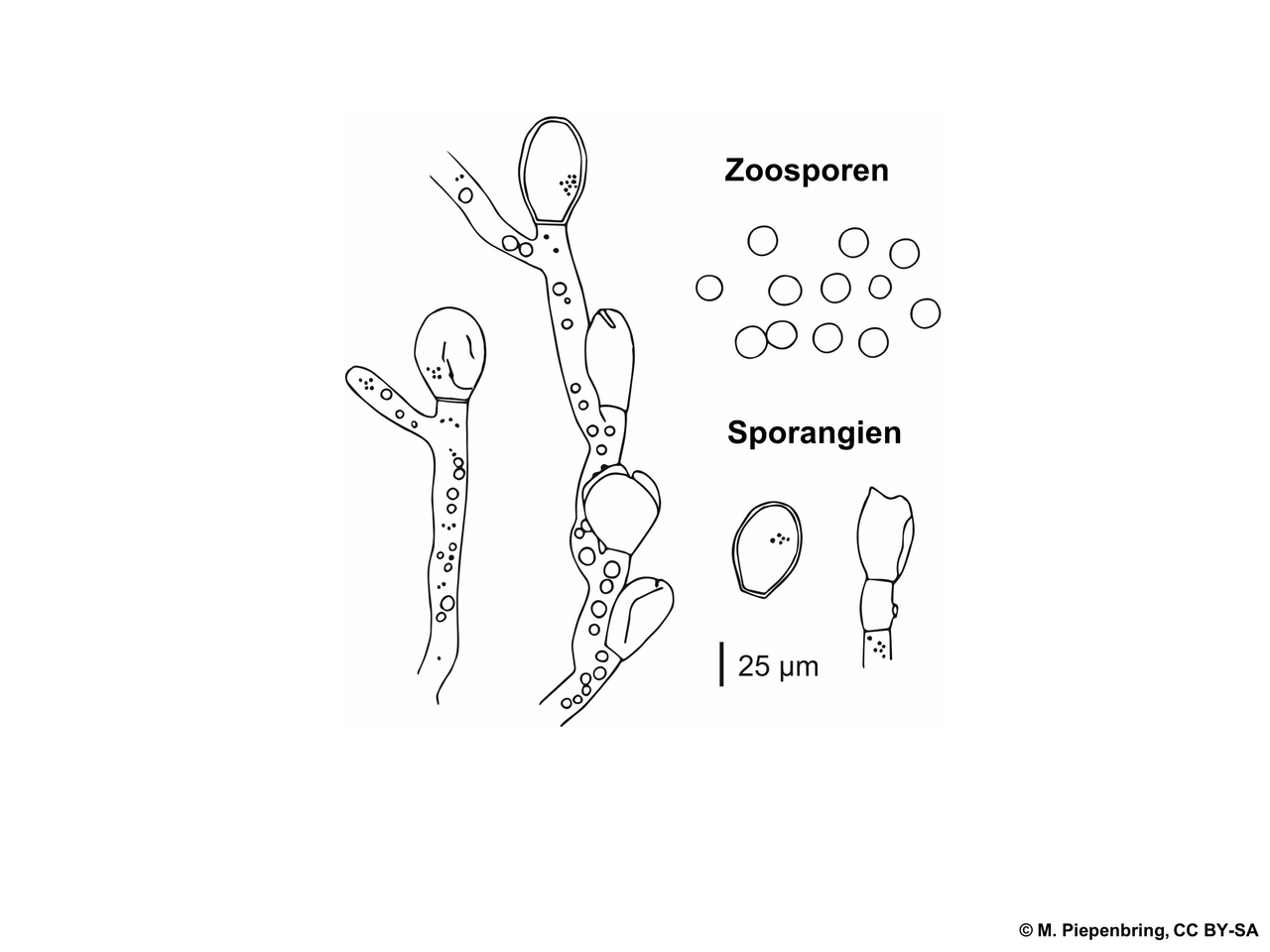
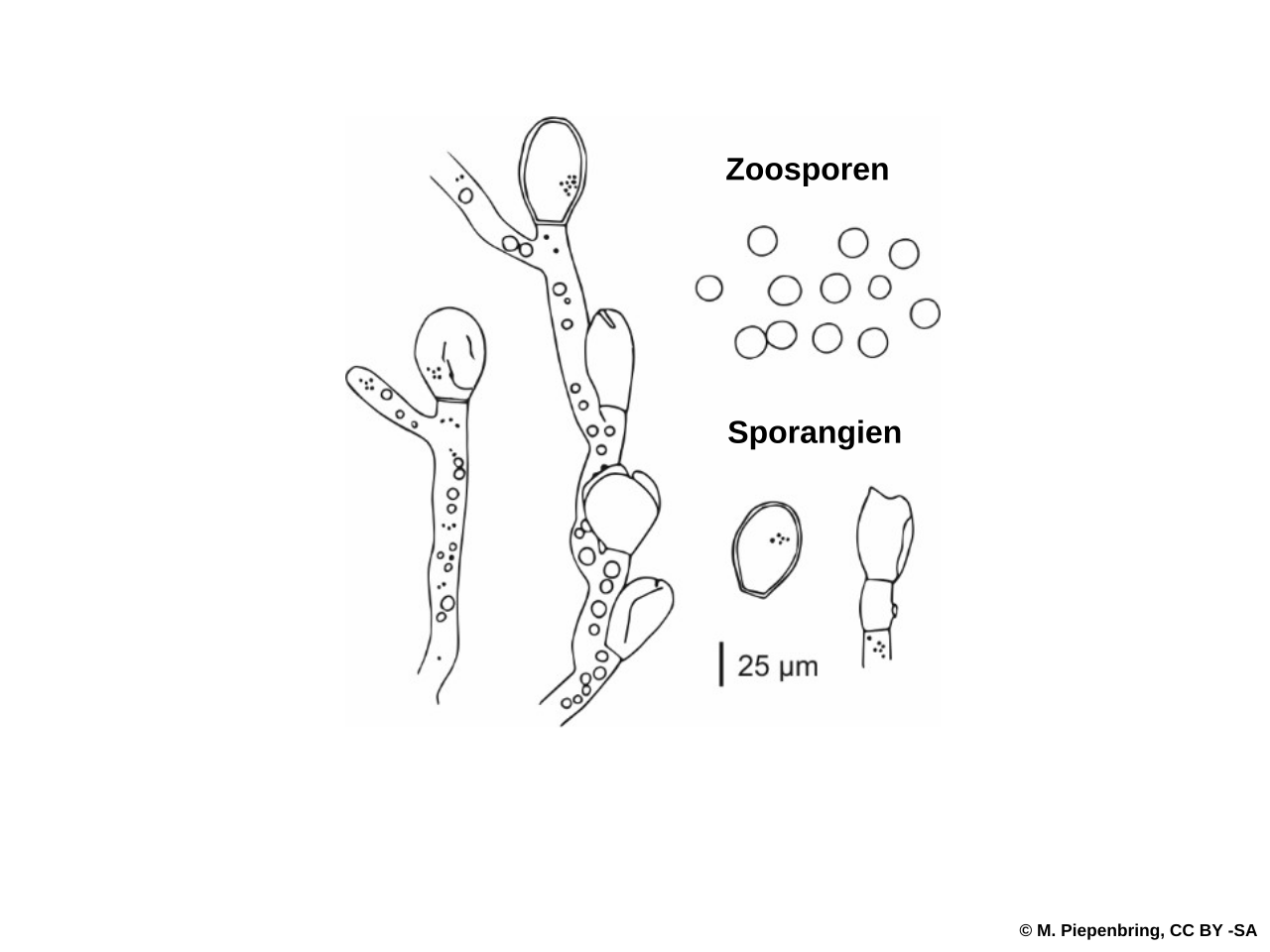
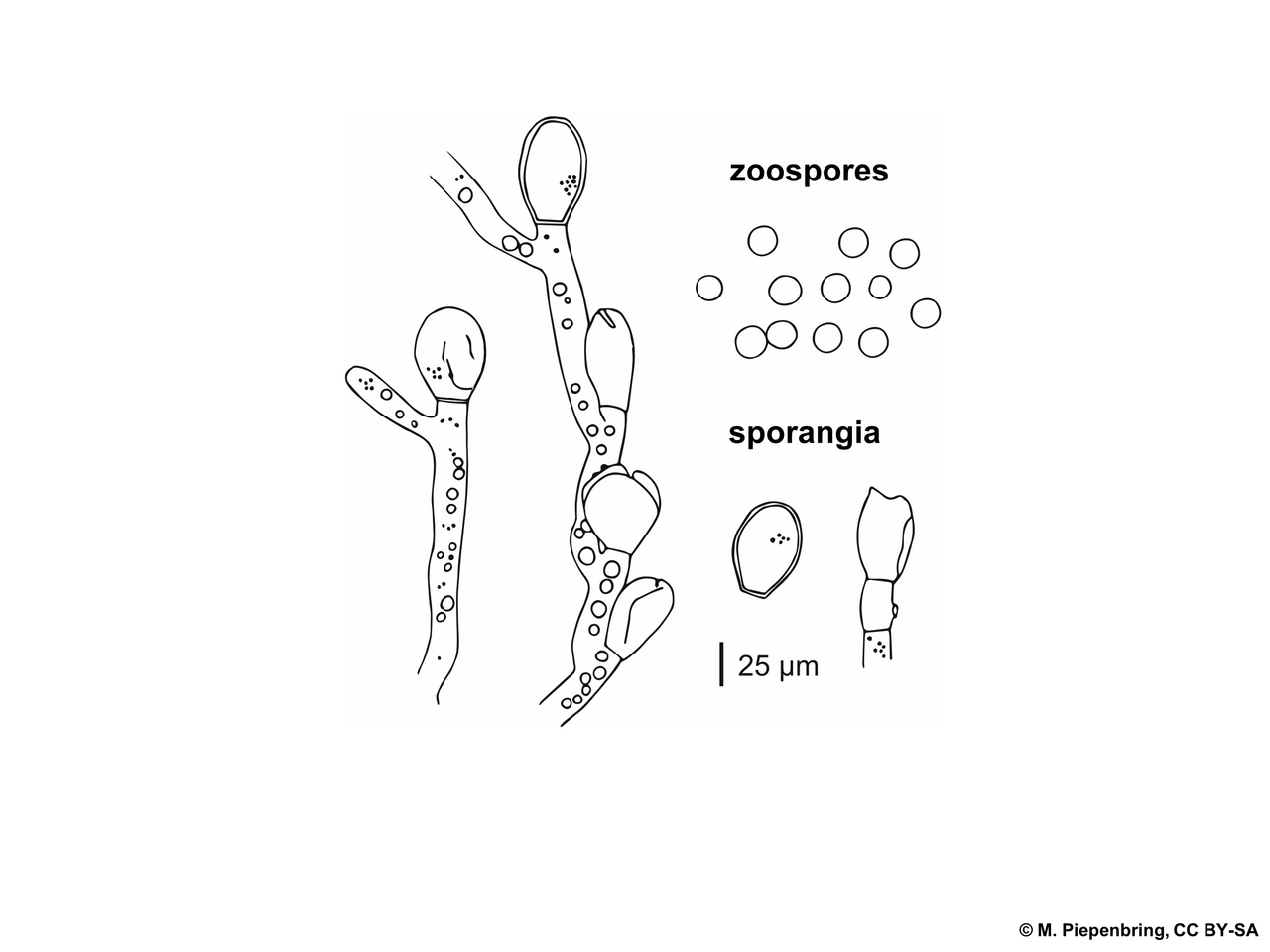
Blastocladiomycota occupies a unique position in fungal biology as the earliest lineage to exhibit alternation of generations, cycling between haploid and diploid phases. Sexual reproduction in this phylum takes the form of anisogamy, in which two gametes that differ in size and morphology fuse to create a zygote. In Allomyces, the haploid thallus is anchored by rhizoids and bears an erect trunk; at the tips of its branches, male and female gametangia develop and release flagellated gametes. These gametes locate one another through pheromone signaling before fusing. The resulting diploid zygote germinates into a diploid thallus that produces two distinct types of reproductive structures: thin-walled zoosporangia that release diploid zoospores, and thick-walled resting spores that allow the organism to endure unfavorable environmental conditions. Once conditions improve, meiosis takes place within the resting spore, releasing haploid zoospores that grow into new haploid thalli, restarting the cycle. Asexually, these fungi produce zoospores to colonize new substrates. In a particularly curious observation, asexual zoospores of some species have been seen pairing up and exchanging cytoplasm without exchanging nuclei—a phenomenon that adds an intriguing layer to their reproductive biology.
Ecological Niches and Economic Impact
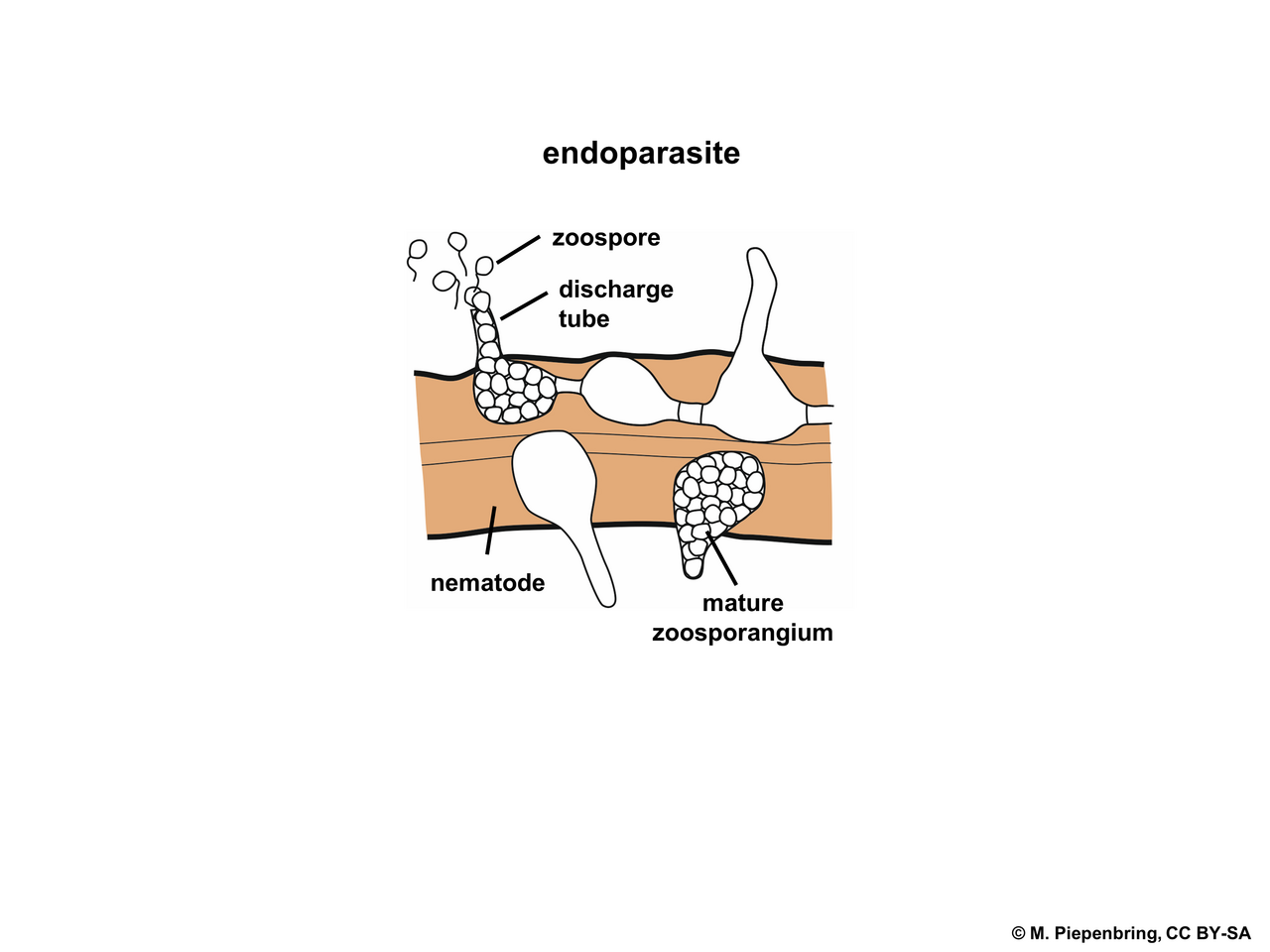
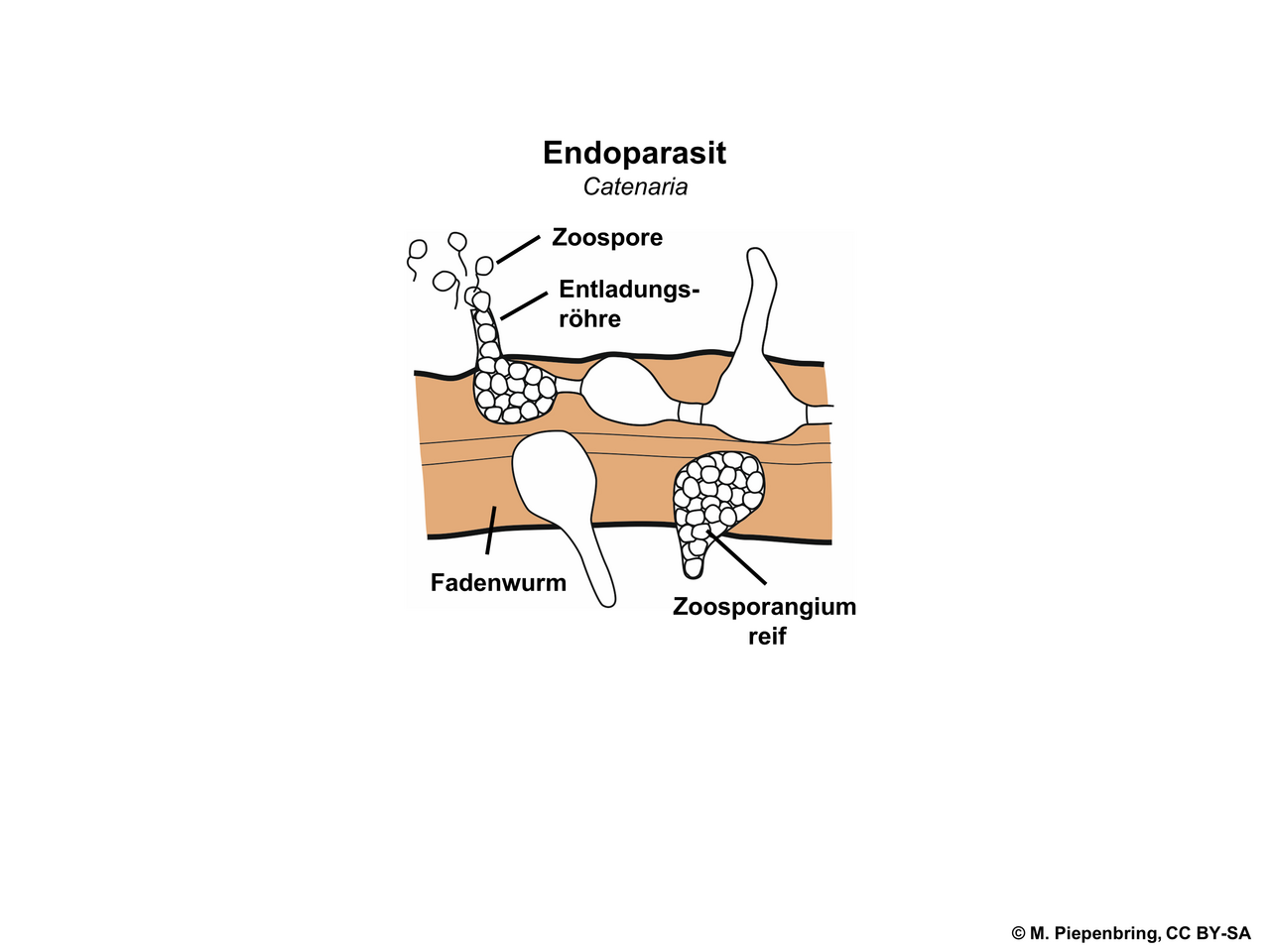
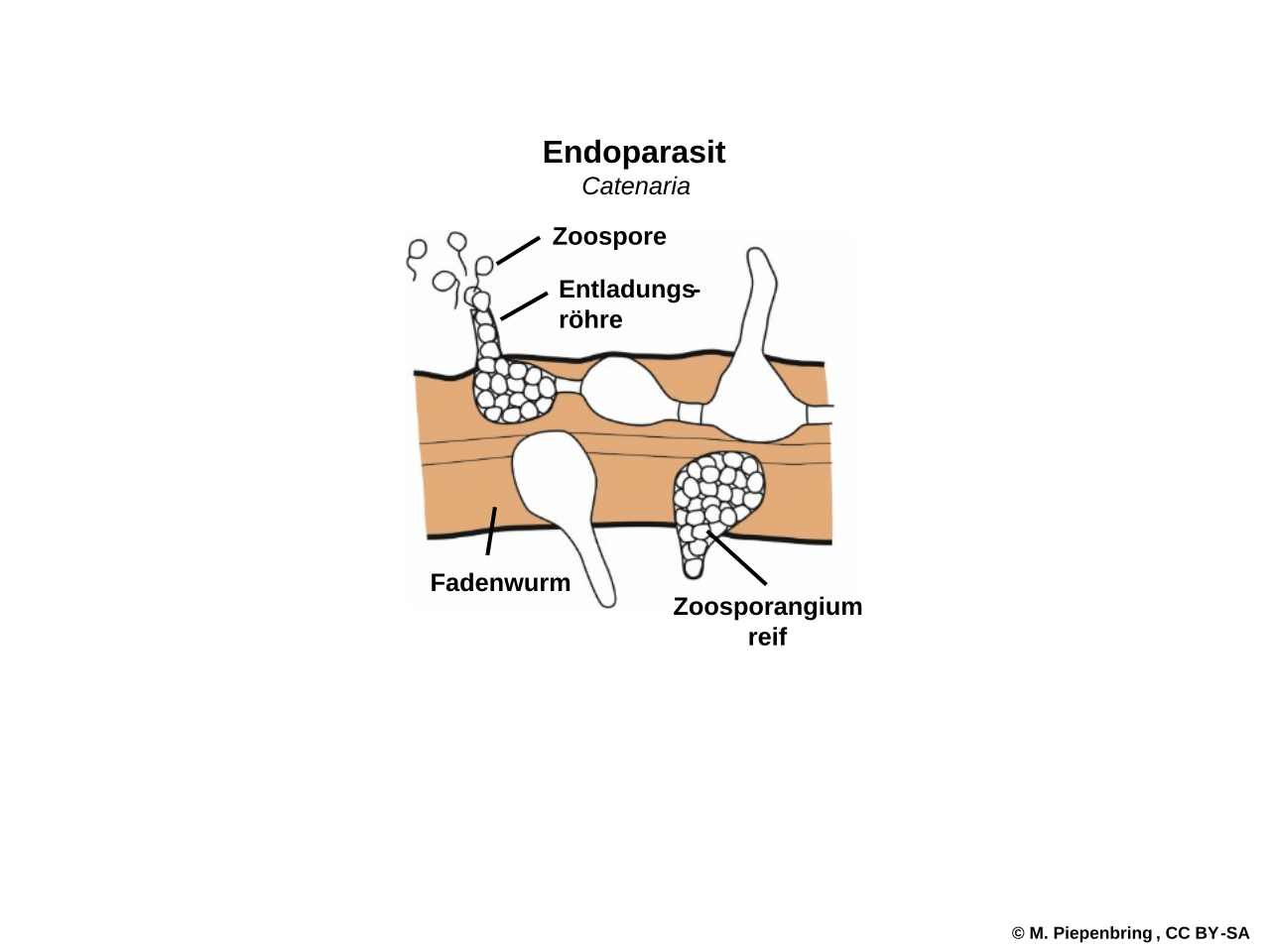
While Blastocladiomycota members are saprotrophic and capable of decomposing tough materials such as pollen, keratin, cellulose, and chitin, their most notable ecological roles involve parasitism. The genus Catenaria is a parasite of nematodes, midges, crustaceans, and even another blastoclad species, Coelomyces. The genera Physoderma and Urophlyctis are obligate plant parasites with significant economic consequences: Physoderma maydis infects maize and is the causal agent of brown spot disease, while Urophlyctis species parasitize alfalfa. Beyond agriculture, Physoderma species are important parasites of numerous aquatic and marsh angiosperms, playing a role in wetland ecosystems. From a human health perspective, members of Coelomomyces are unusual parasites of mosquitoes that require an alternate crustacean host—the same type of host used by Catenaria—to complete their life cycle. Additional ecologically fascinating members include a parasite of water bears and the zooplankter Daphnia. Together, these diverse parasitic relationships illustrate that Blastocladiomycota occupies a wide array of ecological niches, from agricultural pest to aquatic ecosystem participant.
Gallery
Frequently Asked Questions
What is Blastocladiomycota?
Blastocladiomycota is a phylum of fungi that branches off very early in the fungal tree of life, making it one of the oldest surviving lineages. Mycologists typically call its members 'blastoclads,' though you will also hear them casually lumped in with 'chytrids,' a label some researchers reserve strictly for Chytridiomycota.
Why was Blastocladiomycota separated from Chytridiomycota?
For years these organisms were treated as the order Blastocladiales nested inside Chytridiomycota. Once zoospore ultrastructure and molecular phylogenetic data were examined, it became clear the two groups did not form a single exclusive clade, so Blastocladiomycota was elevated to its own phylum.
What evolutionary milestone is Blastocladiomycota credited with?
This phylum is the first known fungal lineage to exhibit alternation of generations, cycling between haploid and diploid multicellular phases within a single life cycle. That trait makes it a crucial reference point for tracing how more complex fungal life histories evolved.
Which model organisms are associated with Blastocladiomycota?
Allomyces macrogynus and Blastocladiella emersonii are the two classic lab workhorses mycologists have relied on for decades to study fungal development and cell biology. Both remain popular in teaching and research because their life cycles are well characterized and easy to culture.
How much diversity does Blastocladiomycota contain?
The phylum is relatively compact, encompassing roughly five families and about twelve genera in total. Despite that modest taxonomic footprint, its early position in fungal evolution gives it outsized importance in comparative and phylogenetic studies.
More in Fungi And Fungus-Like Organisms 1-24
Spotted an error? Know more?
This is a living reference — every entry is fact-audited, and reader corrections feed straight into our audit queue. Suggest an edit · See this site's audit record