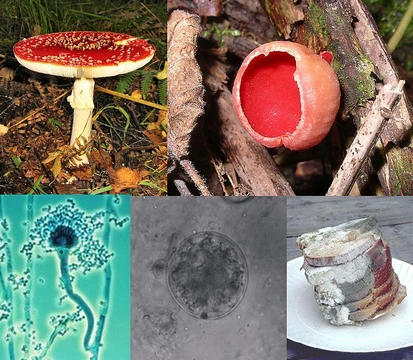
Cordyceps
Parasitic fungi that infect insects and have medicinal use.

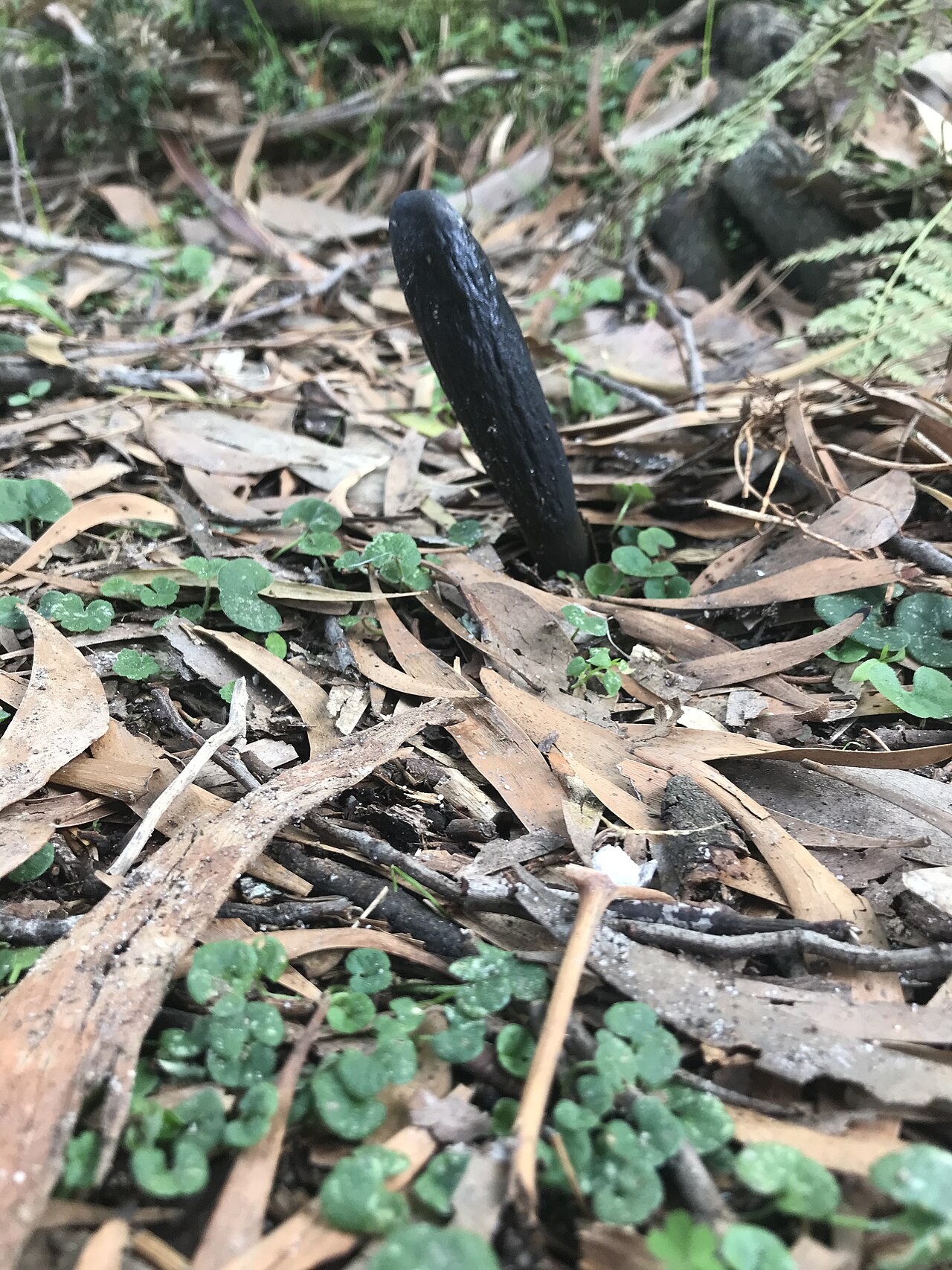
Paul Odgers · CC BY-SA 4.0
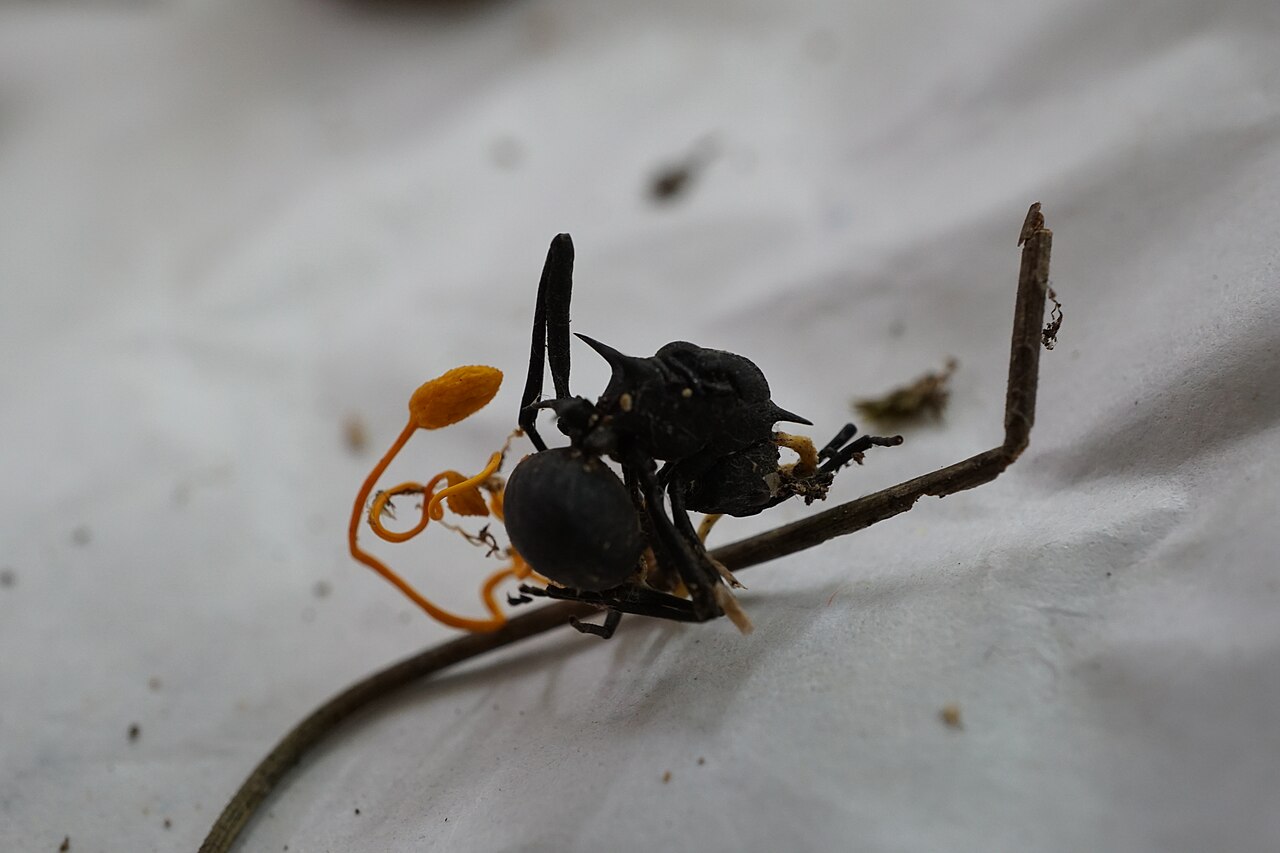
Cordyceps is a genus of sac fungi, a type of ascomycete, with more than 260 species found around the world. Many of these species are parasitic. Different kinds of cordyceps have been used in Chinese medicine for over 1,500 years. Most Cordyceps species are endoparasitoids, meaning they live inside and feed on insects and other arthropods—making them entomopathogenic fungi—though a few species parasitize other fungi. The genus is found globally, but most known species come from Asia.
The name Cordyceps comes from the ancient Greek word *kordýlē*, meaning "club," and the Latin *-ceps*, from *caput*, meaning "head." The genus has two recognized subgenera: *Cordyceps* subgenus *Cordyceps* and *Cordyceps* subgenus *Cordylia*. In modern taxonomy, the fruiting bodies of several entomopathogenic fungi—such as *Beauveria*, *Septofusidium*, and *Lecanicillium*—are not considered Cordyceps; these are separate anamorphic genera.
Some subgenera have been split off. *Cordyceps* subgenus *Epichloe* is now treated as a separate genus, *Epichloë*. *Cordyceps* subgenus *Ophiocordyceps* was once defined by shape, but DNA analysis showed that its members—including *C. sinensis* and *C. unilateralis*—were only distantly related to most other Cordyceps species, so it became its own genus. A 2007 study also separated *Metacordyceps* and *Elaphocordyceps*. Several species remain unclear and are temporarily kept in Cordyceps in the broad sense.
Selected species include *Cordyceps caespitosa*, *Cordyceps chanhua*, *Cordyceps militaris*, and *Cordyceps sinclairii*. The genus *Isaria* has been used for many anamorphs (asexual forms) of Cordyceps species. Under the "one fungus one name" rule, *Isaria* is treated as a synonym of *Cordyceps*, but many *Isaria* names are still preferred. *Isaria* is a conserved name with a conserved type, and as of 2016 it remains polyphyletic, divided into three main clades. Other anamorphic genera closely linked to Cordyceps include *Evlachovaea*, *Lecanicillium*, and *Beauveria*.
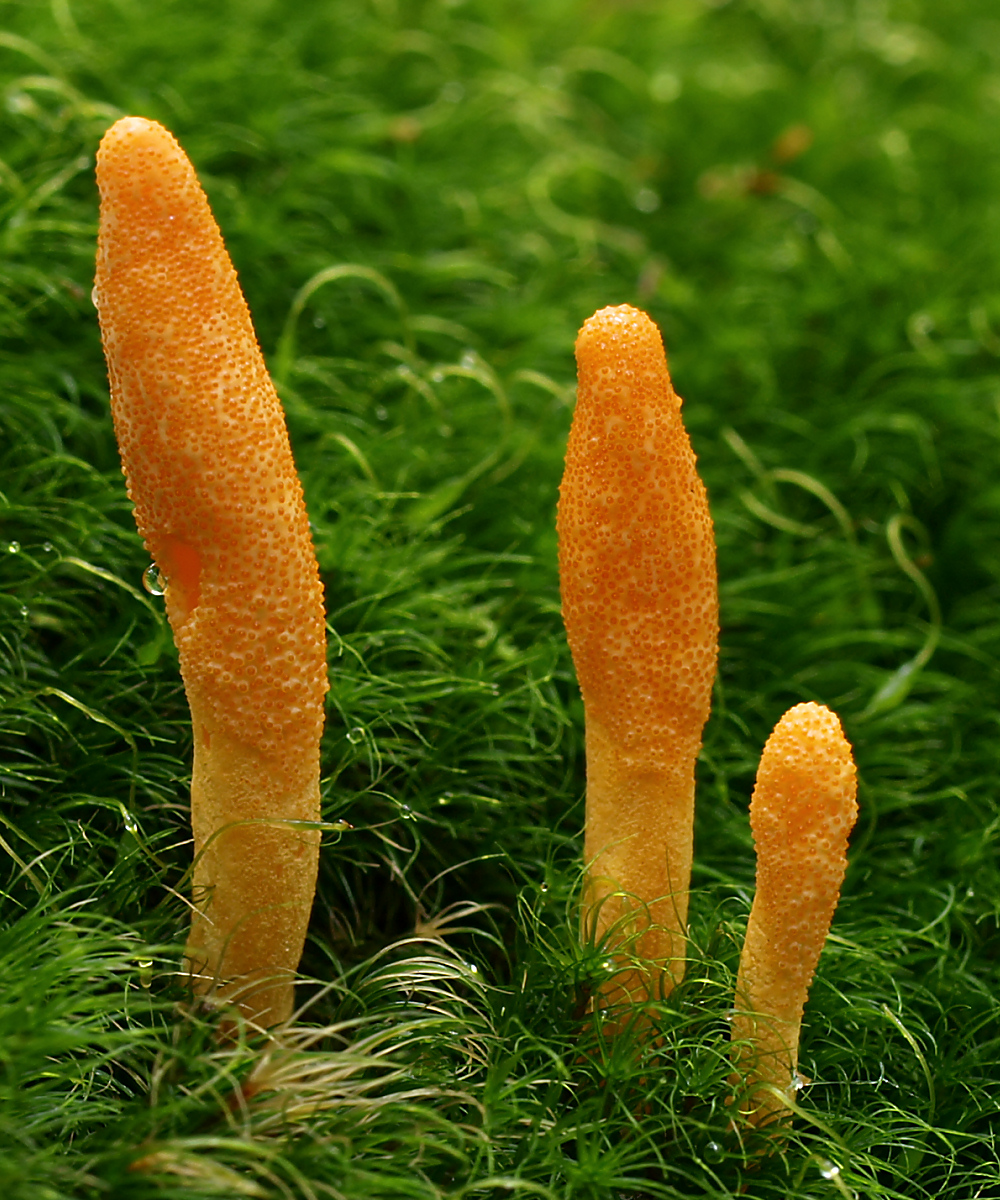
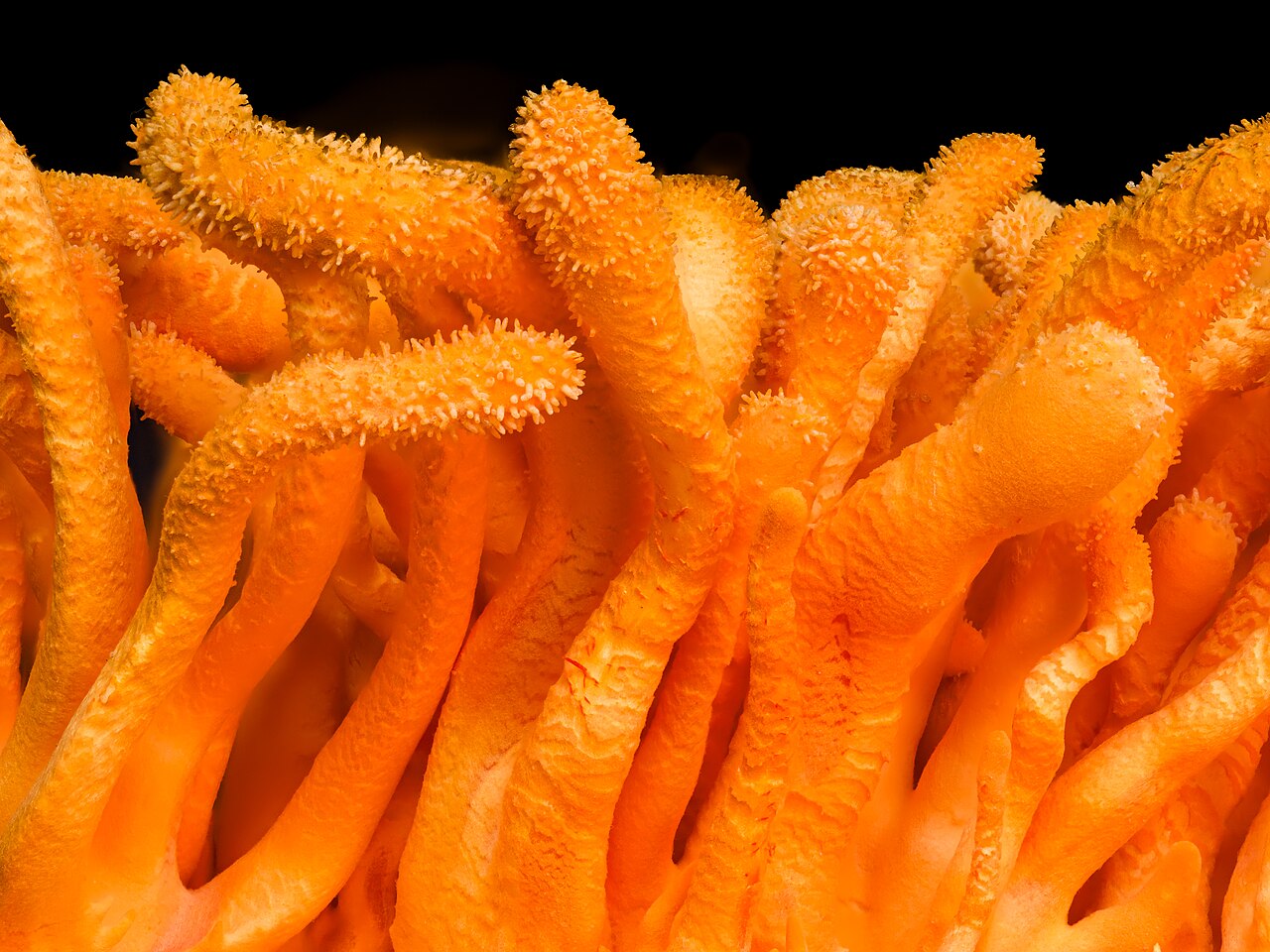
When Cordyceps attacks a host, its mycelium invades and replaces the host tissue. The elongated fruit body (ascocarp) can be cylindrical, branched, or complex in shape. It holds many small, flask-shaped perithecia containing asci, which contain thread-like ascospores that usually break into fragments and are likely infectious.
Research on po
- field
- Mycology
- known_for
- Entomopathogenic fungi used in traditional Chinese medicine; inspiration for zombie-apocalypse fiction
- species_count
- Over 260
- distribution
- Worldwide, mostly Asia
- traditional_use
- Over 1,500 years in Chinese medicine
Lore & Background
The generic name Cordyceps is derived from the ancient Greek κορδύλη kordýlē, meaning 'club', and the Latin -ceps, derived from Latin caput, meaning 'head'. The genus has two recognized subgenera: Cordyceps subgen. Cordyceps Fr. 1818 and Cordyceps subgen. Cordylia Tul. & C. Tul. 1865. In modern taxonomy, the fruiting bodies of several genera of entomopathogenic fungi such as Beauveria, Septofusidium, and Lecanicillium are not considered Cordyceps; these are separate anamorphic genera.
Several subgenera have been split off. Cordyceps subgen. Epichloe is now regarded as a separate genus, Epichloë. Cordyceps subgen. Ophiocordyceps, defined by morphology, was found by nuclear DNA sampling to be distantly related to most other Cordyceps species, and became its own genus, absorbing new members. The 2007
Reader's Guide
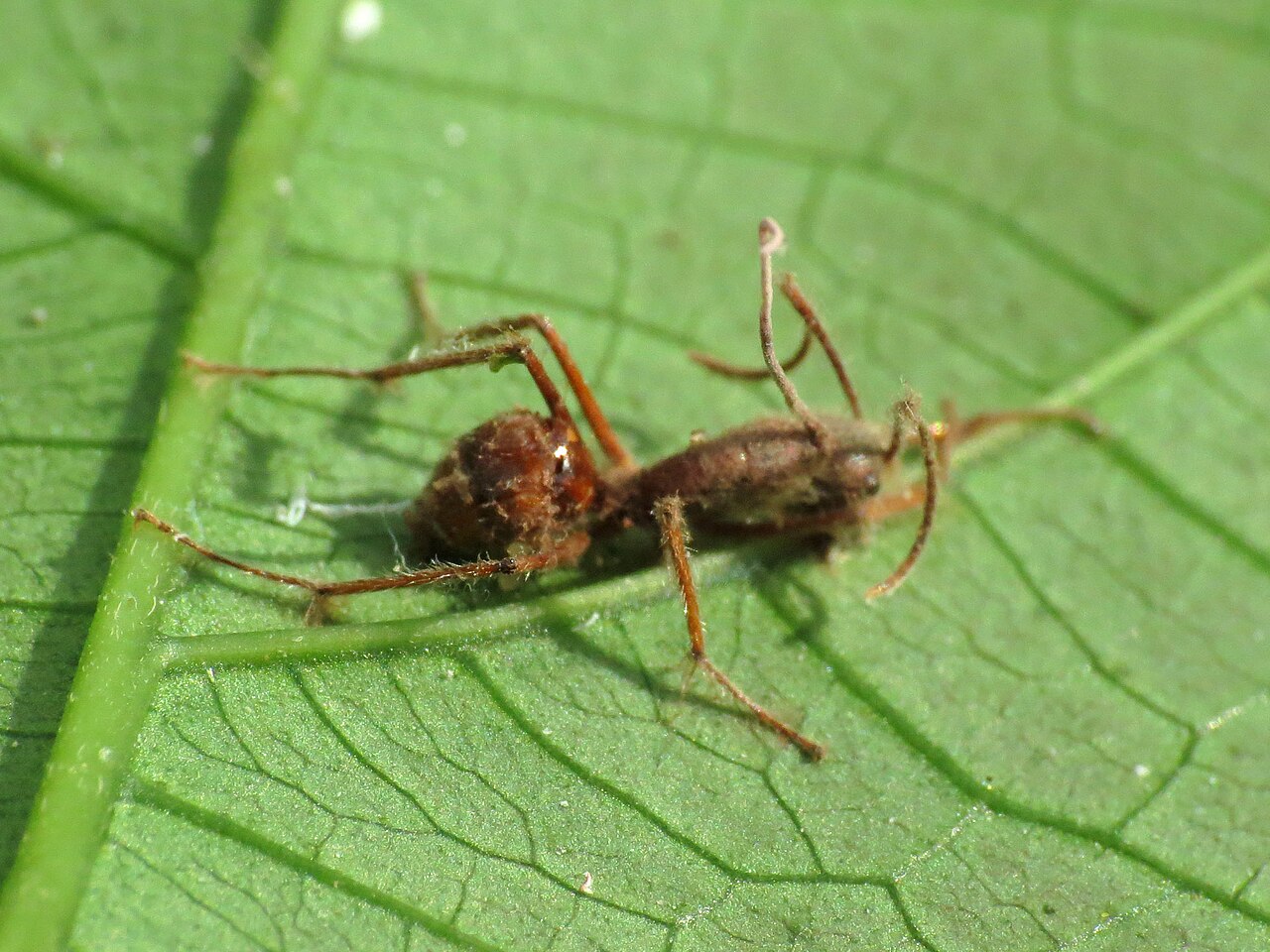
Cordyceps holds significance as a genus of entomopathogenic fungi with a long history in traditional Chinese medicine, spanning over 1,500 years. Its biology—invading and replacing host tissue, then producing fruiting bodies—has made it a subject of both scientific study and cultural fascination. The genus has undergone substantial taxonomic revision: molecular studies have split several subgenera into separate genera, including Ophiocordyceps (which contains the species O. unilateralis, famous for manipulating insect behavior) and Metacordyceps. This reflects ongoing uncertainty in fungal classification, with many species provisionally retained in Cordyceps sensu lato.
In research, polysaccharide components and the nucleoside cordycepin isolated from C. militaris are under basic research, but advanced clinical research has been limited and too low in quality to identify any therapeutic potential. Culturally, Cordyceps has inspired fictional portrayals of human-infecting fungi in the video game series The Last of Us and the novel The Girl with All the Gifts, drawing on real species that create 'zombie' ants and tarantulas. The genus thus bridges traditional medicine, evolutionary biology, and popular culture.
Did You Know?
- Cordyceps includes over 260 species worldwide, most from Asia.
- The name Cordyceps comes from Greek kordýlē ('club') and Latin caput ('head').
- Cordyceps are used by drab stinkbugs to protect their eggs from parasitoid wasps.
- The video game series The Last of Us features a fictional Cordyceps that infects humans.
Gallery
Frequently Asked Questions
What is Cordyceps?
Cordyceps is a genus of sac fungi within the ascomycete group, encompassing more than 260 described species. It is best recognized as a collection of entomopathogenic fungi that parasitize insects and other arthropods.
How does Cordyceps infect its hosts?
The vast majority of species are endoparasitoids, growing inside the body of an insect or arthropod and drawing nutrients from it. A small handful of Cordyceps species instead target other fungi rather than animals as their hosts.
Why is Cordyceps important in traditional medicine?
Various Cordyceps species have been woven into Chinese herbal practice for well over 1,500 years. They remain among the most celebrated entomopathogenic fungi in that long-standing pharmacological tradition.
Where can Cordyceps be found?
The genus has a worldwide distribution, yet the bulk of known species have been identified in Asia. It is studied as part of the broader discipline of mycology.
What does the name Cordyceps actually mean?
The name combines the ancient Greek word kordýlē, meaning "club," with the Latin suffix -ceps. This reflects the distinctive club-shaped fruiting bodies that emerge from the infected host.
More in Fungi And Fungus-Like Organisms 1-24
Spotted an error? Know more?
This is a living reference — every entry is fact-audited, and reader corrections feed straight into our audit queue. Suggest an edit · See this site's audit record