Candida albicans
Opportunistic yeast causing candidiasis; model fungal pathogen.

DataBase Center for Life Science (DBCLS) · CC BY 4.0
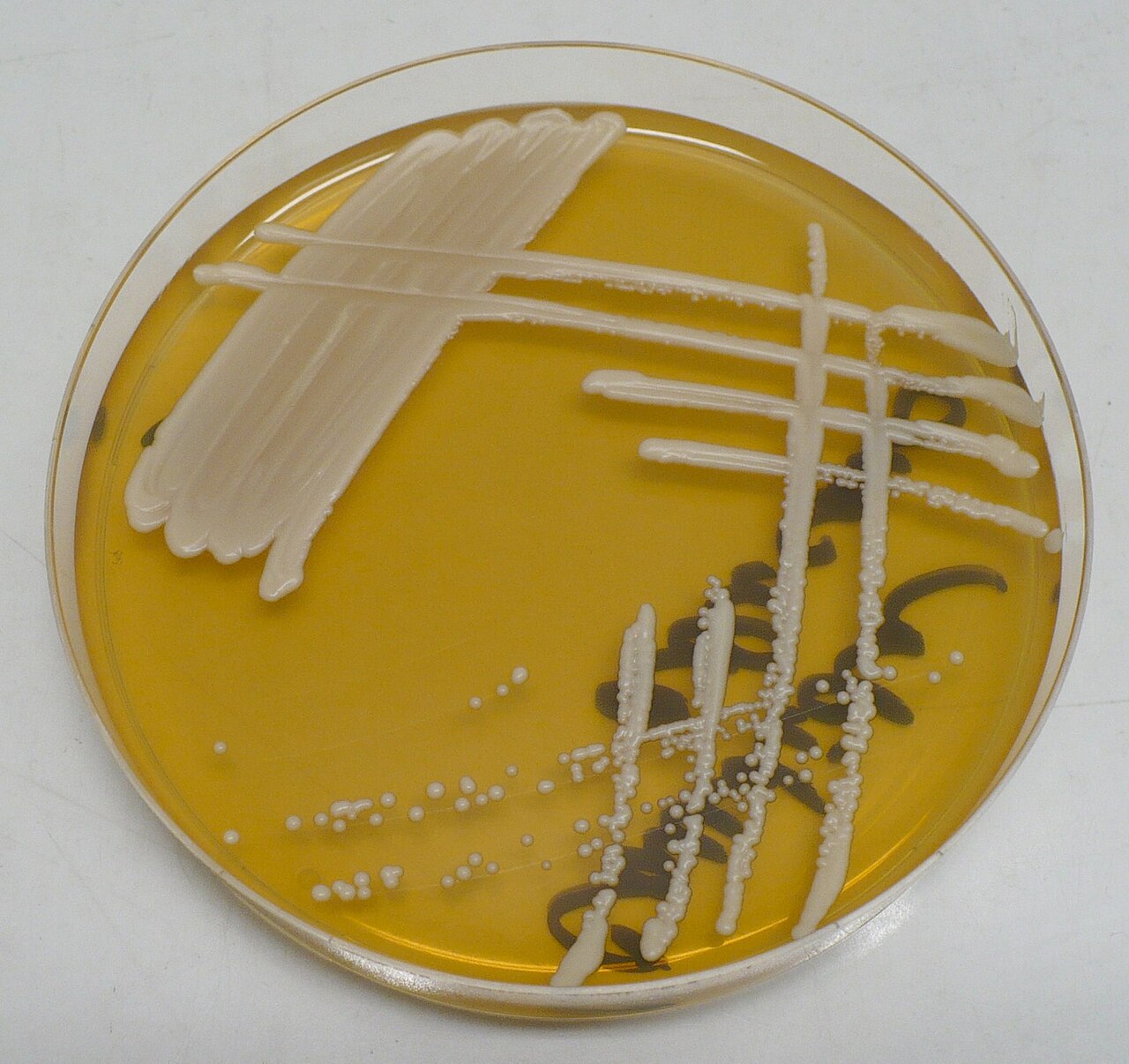
Candida albicans is an opportunistic pathogenic yeast and a common member of the human gut flora. It is detected in the gastrointestinal tract and mouth in 40–60% of healthy adults, usually as a commensal organism, but it can become pathogenic in immunocompromised individuals, causing the infection candidiasis. It is the most common fungal species isolated from biofilms on implanted medical devices or human tissue, and is widely used as a model organism for fungal pathogens.
- field
- Microbiology, Mycology
- known_for
- Opportunistic pathogen causing candidiasis; model organism for fungal pathogens; dimorphic fungus with multiple morphological phenotypes
- genome_size
- Approximately 29 Mb (diploid)
- mortality_rate
- 40% for systemic candidiasis due to C. albicans
- annual_deaths_in_US
- 2,800 to 11,200 from invasive candidiasis contracted in hospitals
Lore & Background
Candida albicans is a dimorphic fungus that grows both as yeast and filamentous cells, with several morphological phenotypes including opaque, GUT, and pseudohyphal forms. It was long considered an obligate diploid organism, but it also exists in haploid and tetraploid stages. The diploid genome is approximately 29 Mb, and up to 70% of its protein-coding genes remain uncharacterized. The genome is highly dynamic, with high heterozygosity driven by chromosomal rearrangements, translocations, and trisomy, which serve as an adaptation strategy.
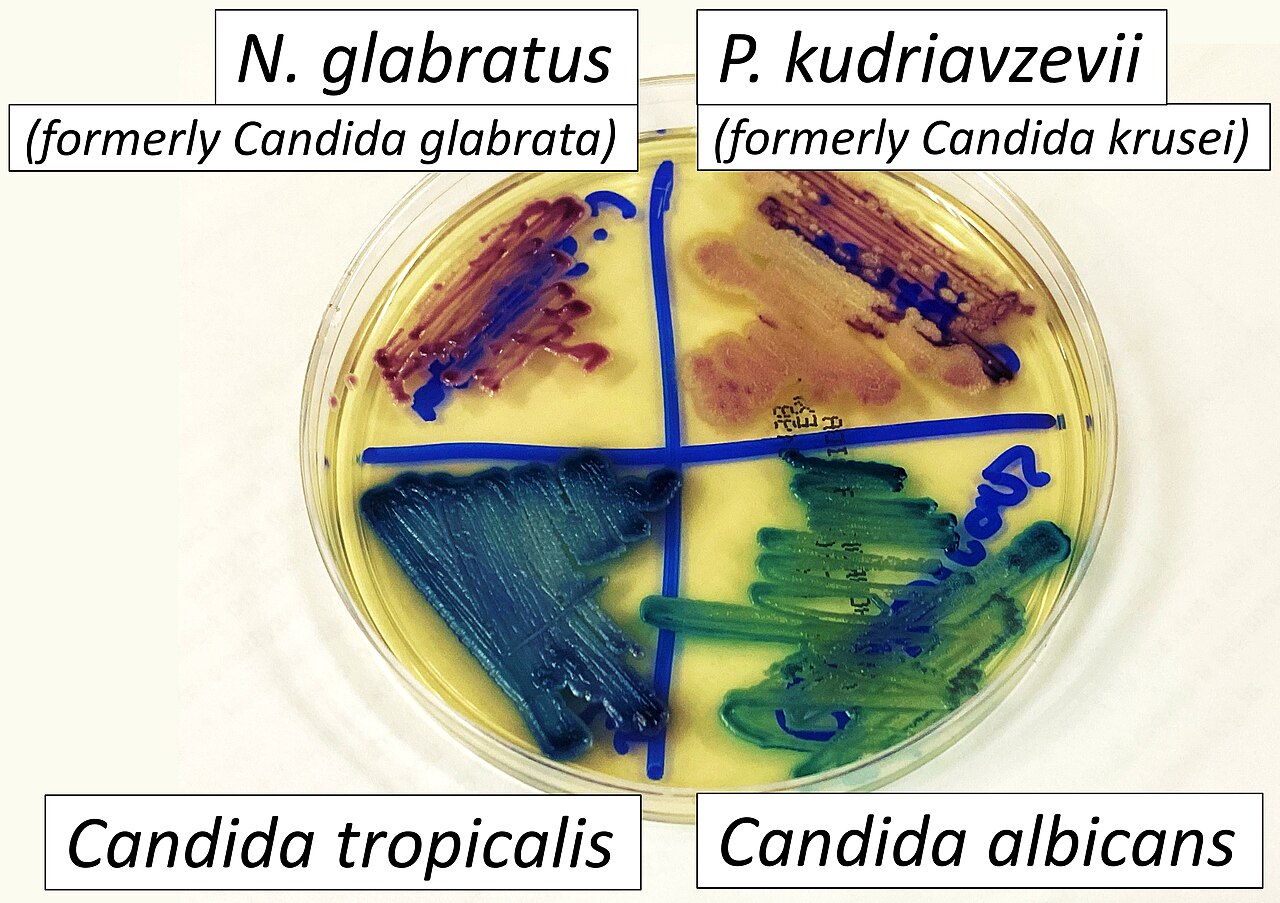
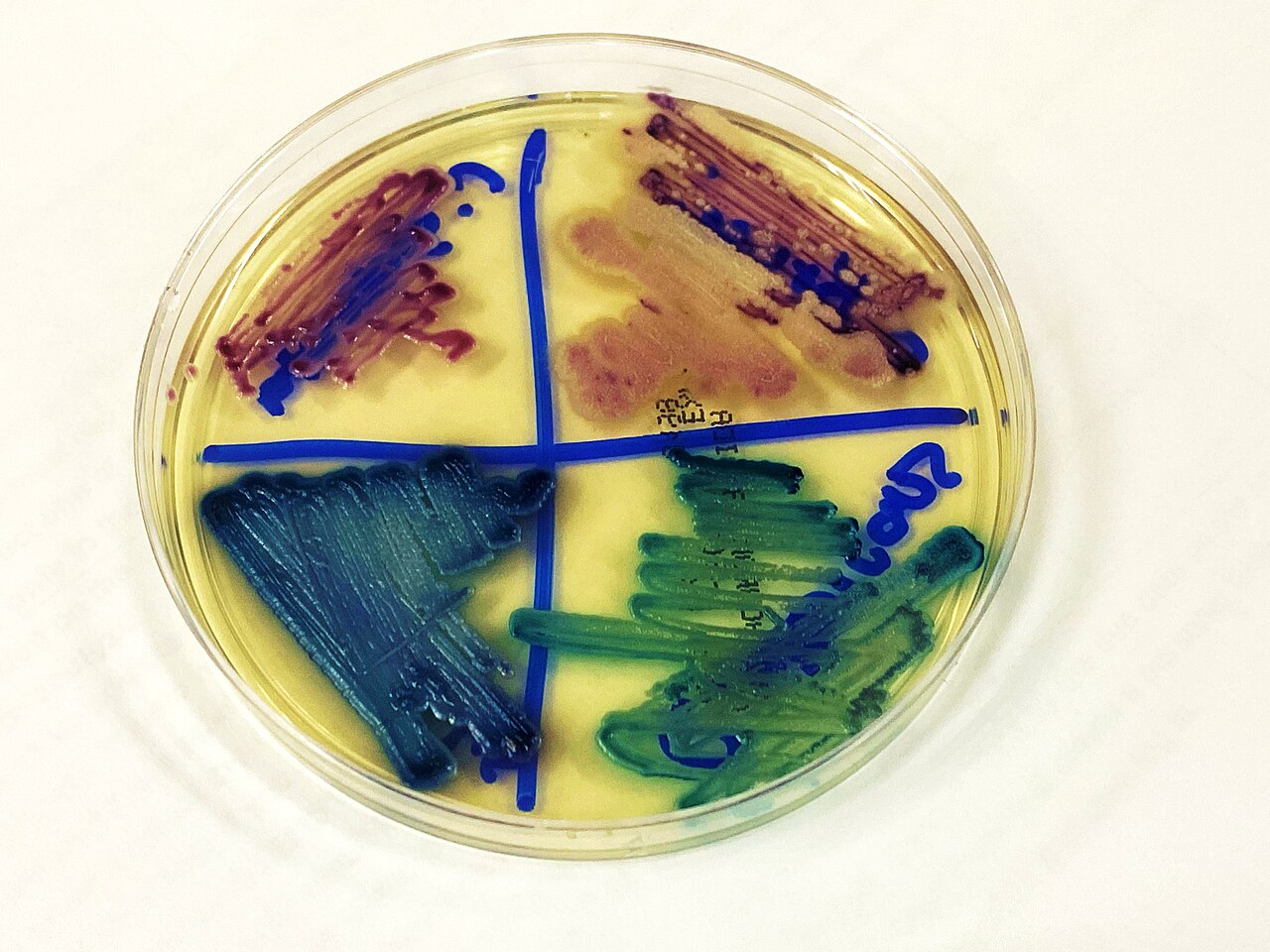
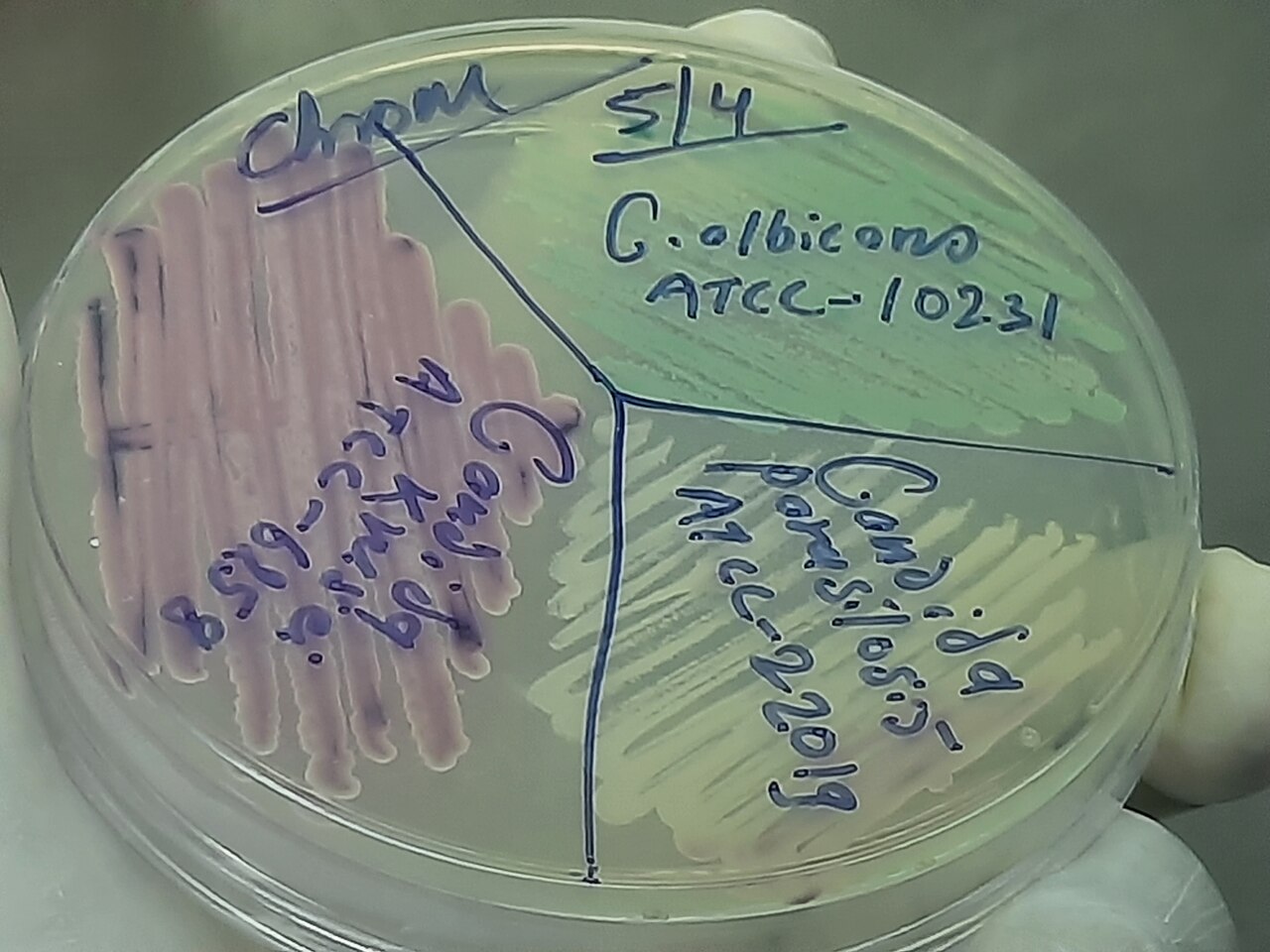
C. albicans is easily cultured in the lab and studied both in vivo and in vitro. A special medium, CHROMagar Candida, is used to identify different Candida species. The most commonly used strains for study are WO-1, known for high-frequency white-opaque switching, and SC5314, the reference strain for gene sequencing. An unusual feature of its genetic code is that the CUG codon, normally specifying leucine, specifies serine in C. albicans and some related species, a departure from the standard genetic code that may induce a permanent stress response.
The oldest reference to thrush, likely caused by C. albicans, dates to 400 BC in Hippocrates' work 'Epidemics'. The name 'Candida albicans' is tautological, derived from Latin words meaning 'shining white' and 'becoming white.' More than a hundred synonyms have been used to describe this species.
Reader's Guide
Candida albicans is significant as the most common fungal species causing candidiasis in humans, particularly in immunocompromised individuals such as HIV-infected patients. It is responsible, along with three other Candida species, for 50–90% of all candidiasis cases, with a mortality rate of 40% for systemic infections. In the US, invasive candidiasis contracted in hospitals causes an estimated 2,800 to 11,200 deaths yearly. Its ability to form biofilms on implanted medical devices makes it a major concern in healthcare settings.
As a model organism for fungal pathogens, C. albicans has been extensively studied for its morphological plasticity, including the yeast-to-hypha transition, which is considered a key virulence factor. Its genome was among the first fungal genomes fully sequenced, enabling molecular epidemiological studies and the discovery of a parasexual cycle. The unusual CUG codon reassignment and high genomic heterozygosity provide insights into fungal evolution and adaptation. The availability of ORFeome and GRACE libraries facilitates research on essential genes, making C. albicans a cornerstone for understanding fungal pathogenesis and developing therapeutic strategies.
Did You Know?
- C. albicans is one of many Candida species that cause candidiasis, and it is the most common fungal species isolated from biofilms on implanted medical devices.
- The CUG codon, which normally specifies leucine, specifies serine in C. albicans, an unusual departure from the standard genetic code.
- C. albicans can exist in haploid, diploid, and tetraploid stages; the tetraploid stage forms when diploid cells mate in the opaque form.
- The oldest reference to thrush, likely caused by C. albicans, dates to 400 BC in Hippocrates' work 'Epidemics'.
A Quiet Resident with a Deadly Potential
Candida albicans occupies a fascinating dual role in human biology. As a commensal member of the gut and oral microbiome, it is detected in roughly 40 to 60 percent of healthy adults, where it typically causes no harm. Yet this same organism is one of the few Candida species capable of triggering candidiasis, a condition arising from fungal overgrowth. In immunocompromised individuals—HIV-positive patients being a prominent example—the balance tips, and the yeast becomes a serious pathogen. The stakes are high: systemic candidiasis attributed to C. albicans carries a reported mortality rate of 40 percent, and hospital-acquired invasive candidiasis in the United States alone is estimated to claim between 2,800 and 11,200 lives each year. Together with C. tropicalis, C. parapsilosis, and C. glabrata, C. albicans accounts for 50 to 90 percent of all human candidiasis cases. Its capacity to form biofilms on both implanted medical devices and living tissue makes it the most frequently isolated fungal species in such settings, underscoring its clinical relevance.
A Genome in Constant Flux
The genome of C. albicans reveals an organism far more genetically restless than once assumed. Long regarded as an obligate diploid lacking a haploid stage, it is now known to exist in haploid, diploid, and even tetraploid states—the latter arising when diploid cells mate while in their opaque form. The diploid genome spans approximately 29 megabases and contains 6,198 open reading frames, yet roughly 70 percent of protein-coding genes remain uncharacterized. One of the first fungi to be fully sequenced, alongside S. cerevisiae and S. pombe, C. albicans harbors an unusually high degree of heterozygosity driven by chromosomal rearrangements, translocations, deletions, and trisomies. These karyotypic shifts serve as an adaptive strategy, reshaping the organism's phenotype. Equally striking is its departure from the standard genetic code: in C. albicans and several related Candida species, the CUG codon, which normally encodes leucine, instead specifies serine—a change that may lock the species into a diploid or polyploid state and complicate sexual reproduction.
Shifting Shapes, Shifting Identities
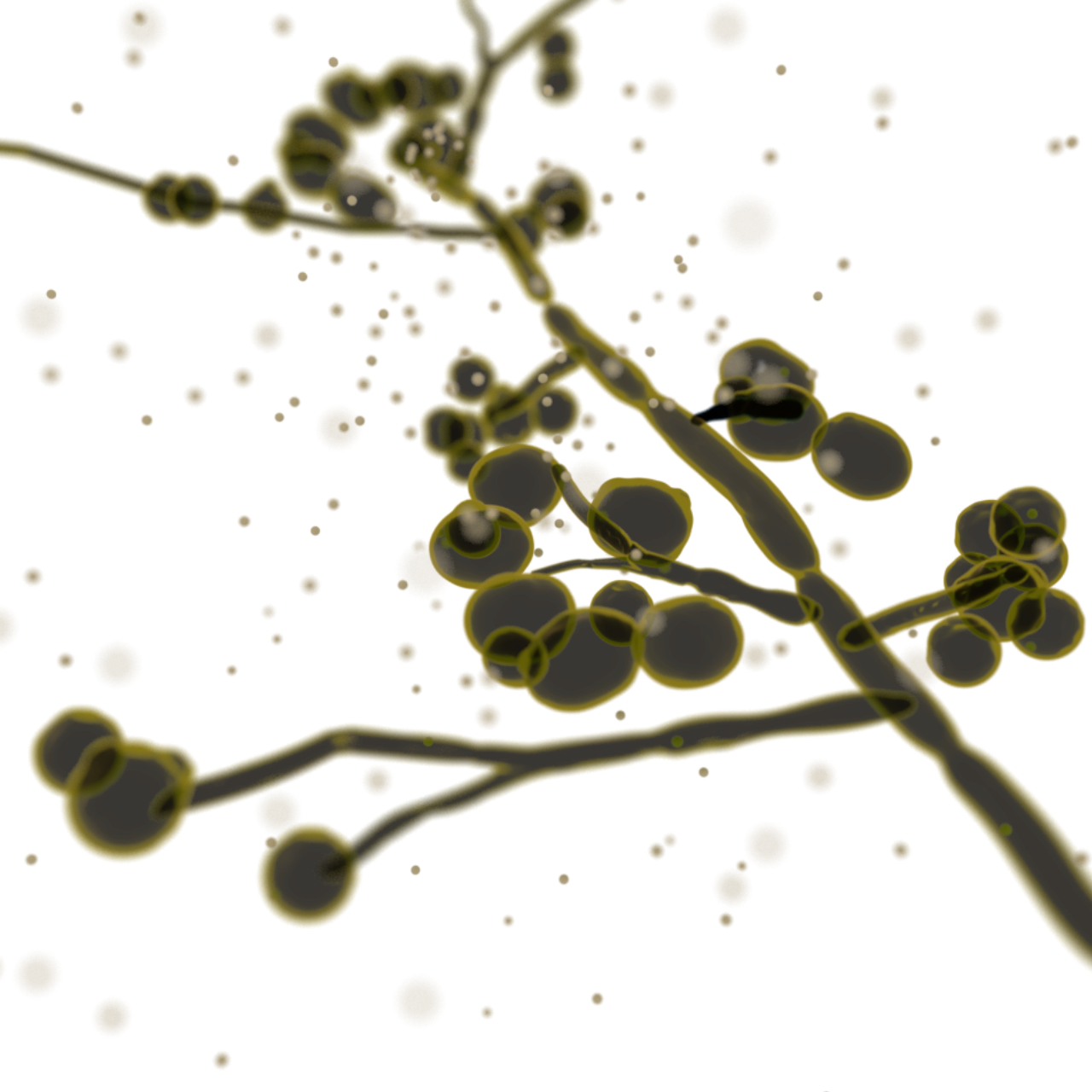
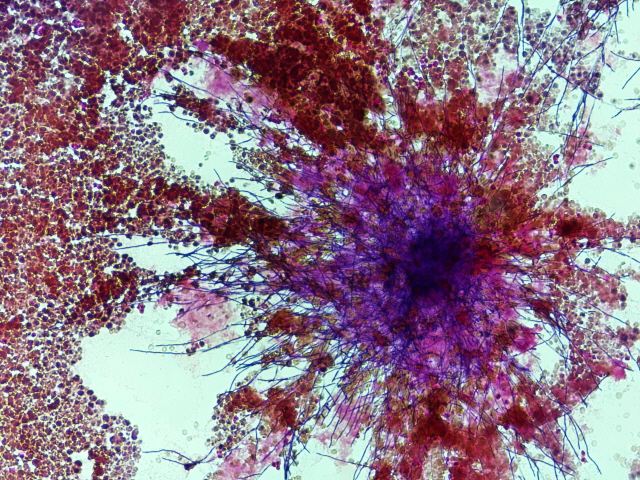
C. albicans is often described as a dimorphic fungus because it can grow as both yeast and filamentous cells, but its morphological repertoire is broader than that label suggests. In addition to the familiar yeast and hyphal forms, the organism displays opaque, GUT, and pseudohyphal phenotypes, each potentially activated by different environmental cues. Laboratory media, for instance, can steer the yeast toward one form or another, making the choice of growth conditions a critical variable in experimental design. The white-to-opaque switching, particularly prominent in the well-studied WO-1 strain, is not merely a cosmetic change; it is a prerequisite for mating and the generation of tetraploid cells. The SC5314 strain, by contrast, serves as the reference for gene sequencing. Because morphology is so tightly linked to physiology and pathogenicity, researchers must carefully control culture conditions to draw meaningful conclusions, and specialized media such as CHROMagar Candida have been developed to distinguish C. albicans from its close relatives within the genus.
A Workhorse of Fungal Research
Few organisms have served so consistently as a model for understanding fungal pathogenesis as C. albicans. Its ease of laboratory cultivation, combined with the ability to study it both in vivo and in vitro, has made it a cornerstone of mycology. The complete genome sequence, coupled with Gateway-adapted vectors for every open reading frame and a GRACE library for investigating essential genes, has transformed the species into a tractable system for functional genomics. When the CUG codon reassignment made it difficult to probe protein-protein interactions in the standard S. cerevisiae two-hybrid system, researchers developed a C. albicans-specific version of the assay. The genome's dynamic nature—its chromosomal polymorphisms and structural variation—has also proven valuable for molecular epidemiological and population studies. With over 200 species in the Candida genus and more than a hundred historical synonyms for C. albicans alone, the organism's long and tangled taxonomic history, stretching back to Hippocrates' description of oral thrush around 400 BC, continues to inform modern research.
Gallery
Frequently Asked Questions
Who is Candida albicans?
Candida albicans is a dimorphic yeast that normally resides harmlessly in the human gut and oral cavity, present in roughly 40–60% of healthy adults. It is classified as an opportunistic pathogen in mycology rather than a primary invader of healthy tissue.
What are Candida albicans's powers or role?
This organism can shift among several morphological forms and is the most frequently isolated fungal species in biofilms on implanted medical devices and human tissue. When a host's immune defenses weaken, it flips from a quiet commensal into the pathogen behind the infection called candidiasis.
How does Candida albicans's story end?
In immunocompetent individuals it usually stays a harmless bystander, but in immunocompromised patients it can spark systemic candidiasis, which carries an approximately 40% mortality rate. In the United States alone, hospital-acquired invasive candidiasis is estimated to kill between 2,800 and 11,200 people every year.
Why is Candida albicans important to the fungal community?
Beyond its clinical impact, it is the go-to model organism for dissecting fungal pathogenesis in the lab. Its diploid genome of roughly 29 megabases and its capacity to adopt multiple distinct phenotypes keep it at the center of microbiology and mycology research.
What sets Candida albicans apart from other Candida species?
Unlike many single-form fungi, it is dimorphic and can toggle among yeast, pseudohyphal, and true hyphal states in response to environmental cues. That morphological flexibility, paired with its exceptional ability to build biofilms on both living tissue and medical implants, distinguishes it from most of its relatives.
More in Fungi And Fungus-Like Organisms 1-24
Spotted an error? Know more?
This is a living reference — every entry is fact-audited, and reader corrections feed straight into our audit queue. Suggest an edit · See this site's audit record