Coprinus comatus
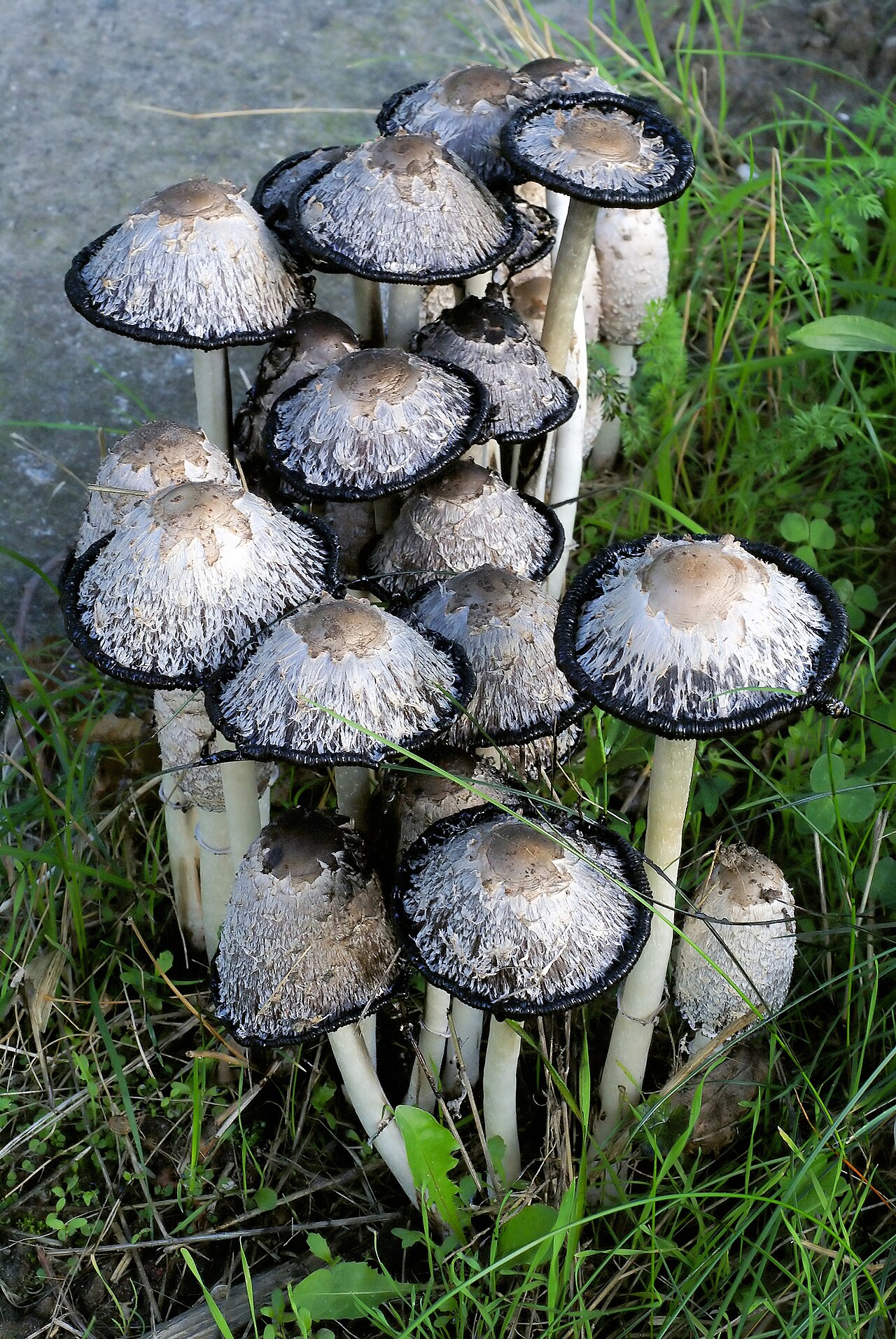
A deliquescent fungus that dissolves into black ink after sporing.

Hans Hillewaert · CC BY-SA 4.0
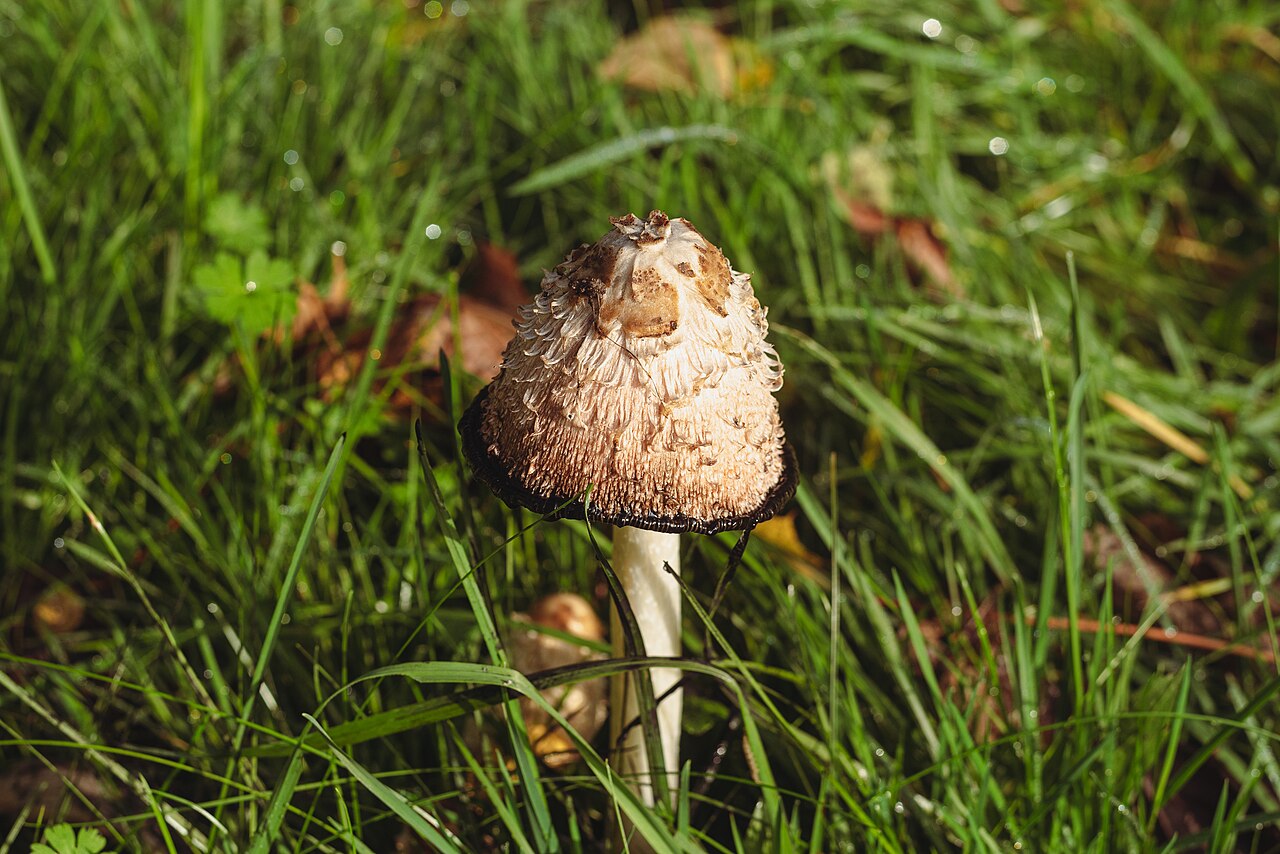
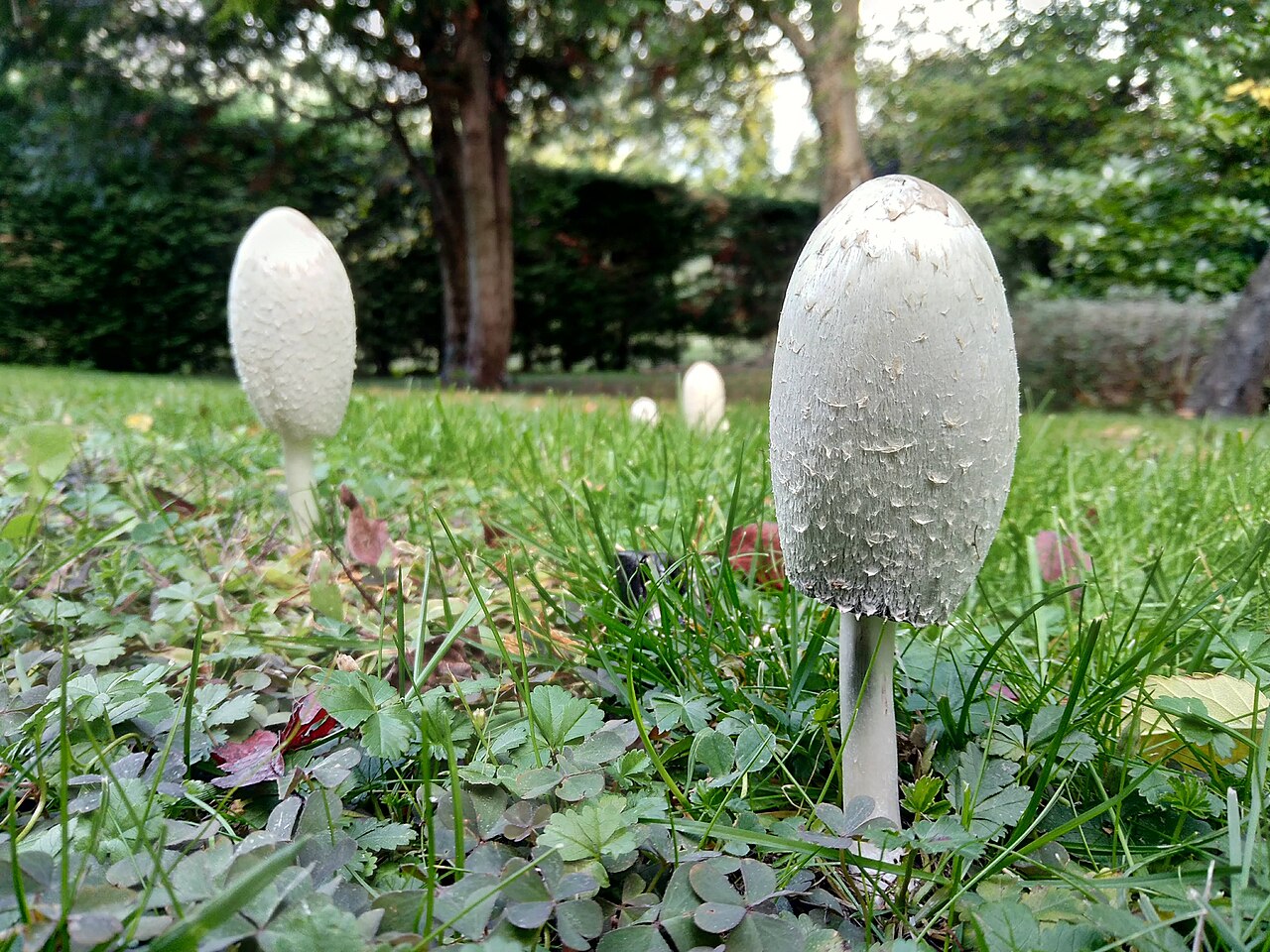
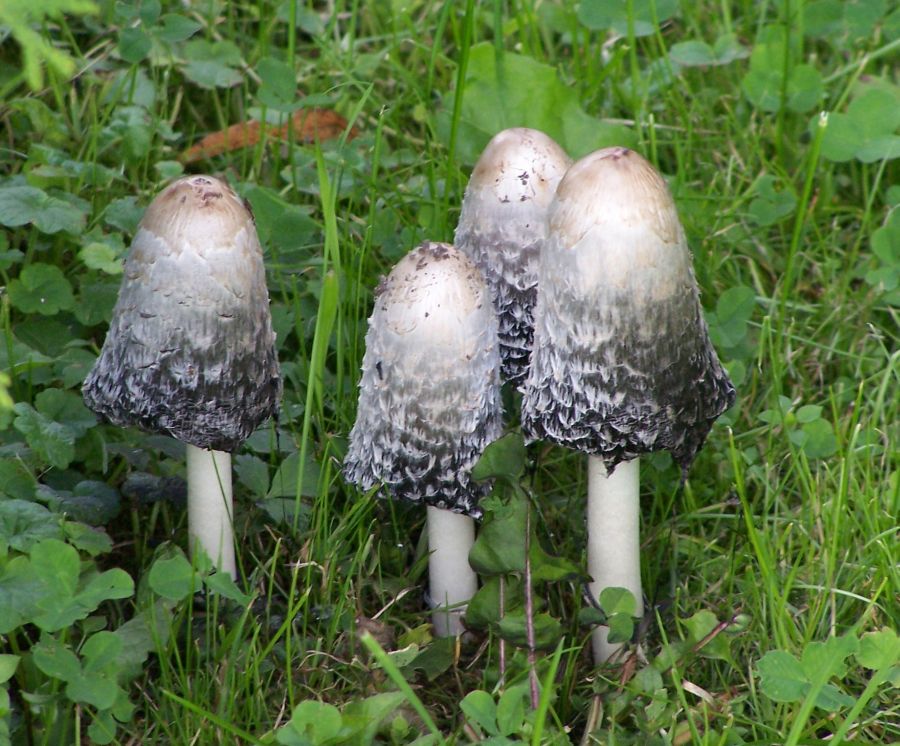
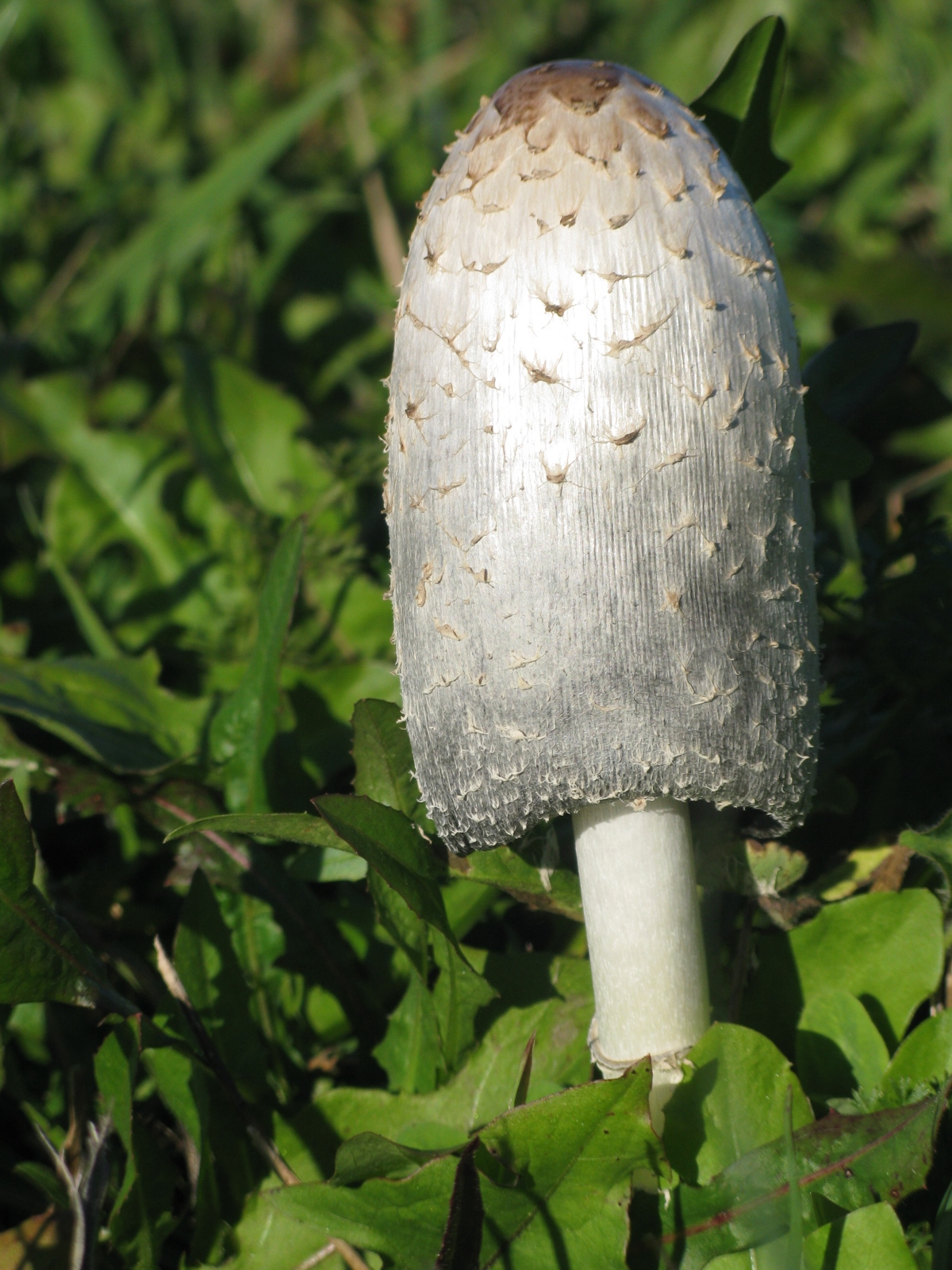
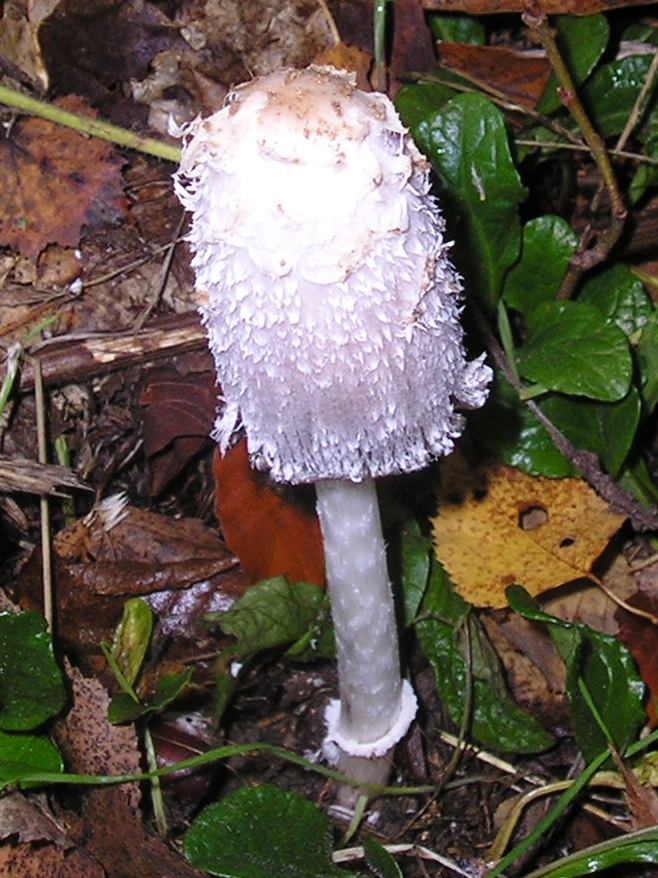
Coprinus comatus, commonly known as the shaggy ink cap, lawyer's wig, or shaggy mane, is a species of fungus. It is notable for its distinctive appearance and rapid self-digestion after spore release or picking, as well as its edibility when young. It serves as the type species for the genus Coprinus and is the best known of the true Coprinus species.
- field
- Mycology
- known_for
- Shaggy ink cap mushroom, type species of Coprinus, edible when young, deliquescent gills
- first_described
- 1780 by Otto Friedrich Müller as Agaricus comatus
- current_binomial_name
- 1797 by Christiaan Hendrik Persoon
Lore & Background
Coprinus comatus was first described by Danish naturalist Otto Friedrich Müller in 1780 as Agaricus comatus, before being given its current binomial name in 1797 by Christiaan Hendrik Persoon. Its specific name derives from coma, meaning 'hair', hence comatus, 'hairy' or 'shaggy'. It is the type species for the genus Coprinus, which was formerly considered large with over 100 species, but molecular analysis of DNA sequences showed that the former species belonged in two families, the Agaricaceae and the Psathyrellaceae. Coprinus comatus is the best known of the true Coprinus.
Reader's Guide
Coprinus comatus is a significant species in mycology due to its role as the type species of the genus Coprinus and its unusual deliquescent property, where the gills melt into a black liquid filled with spores within hours after picking or depositing spores. This self-digestion, along with its shaggy white cap, makes it easily recognizable. It is a choice edible mushroom when young, before the gills turn black, but it spoils quickly and resembles some poisonous species, including the magpie fungus and the vomiter mushroom. Unlike some similar ink caps, it does not contain coprine and thus does not cause poisoning when consumed with alcohol. The species is nematophagous, capable of killing and digesting certain nematodes. Its distribution includes grasslands and meadows in North America and Europe, and it has been introduced to Australia, New Zealand, and Iceland. In Australia, it was featured on a postage stamp in 1981.
Did You Know?
- The shaggy ink cap dissolves itself into a black liquid filled with spores within hours after being picked or depositing spores.
- It is the type species for the genus Coprinus and the best known of the true Coprinus.
- Unlike some similar ink caps, Coprinus comatus does not contain coprine and is safe to consume with alcohol.
The Coprine–Alcohol Interaction
Coprine, the principal toxic compound associated with the genus Coprinus, operates through a mechanism fundamentally different from most other mushroom poisons. Rather than directly attacking organs or blocking neurotransmitters, coprine is metabolized within the body into a compound that closely resembles disulfiram. This metabolite works by inhibiting aldehyde dehydrogenase, an enzyme critical to alcohol metabolism. On its own, this inhibition produces no noticeable harm. The danger emerges only when alcohol is present in the bloodstream during the window of ALDH suppression. This interaction can occur if a person drinks shortly before consuming the mushroom or up to several days afterward. In such cases, the body cannot fully process the alcohol, triggering a cascade of acute symptoms. This conditional toxicity means the mushroom itself is not uniformly lethal; the risk is entirely contingent on the individual's alcohol consumption relative to the time of ingestion.
Clinical Presentation and Severity
When the coprine–alcohol interaction is triggered, the resulting syndrome is acute but generally not fatal. The affected individual experiences flushed skin, vomiting, and a pounding headache, along with dizziness and a general sense of physical weakness. Cognitive symptoms such as apprehension and confusion may accompany the physical distress, and palpitations can add to the discomfort. In more pronounced cases, breathing difficulty has been reported. Unlike the devastating organ failure seen with amatoxin poisoning, where liver and kidney damage can progress over days and carry a mortality rate of ten to fifteen percent, the coprine reaction is a self-contained metabolic disruption. The symptoms are intense but do not typically produce the kind of progressive, irreversible tissue destruction that characterizes the most lethal mushroom toxins. The entire episode, while frightening and sometimes requiring urgent medical attention, resolves once the ALDH inhibition clears and the body completes its alcohol metabolism.
Misidentification and the Forager's Dilemma
Mushroom poisoning most commonly arises not from a mushroom that is inherently and unconditionally deadly, but from the forager's misidentification of one species as another. The primary driver of this error is the close visual resemblance—shared coloration and overall morphology—between toxic and edible species. For a mushroom in the genus Coprinus, the risk is somewhat unique: the organism is not dangerous in the way that amatoxin-bearing Amanitas or orellanine-containing Cortinarius species are. Its hazard is conditional, dependent on the forager's subsequent alcohol intake. Nevertheless, the broader principle of foraging safety still applies. Gatherers are advised to thoroughly familiarize themselves not only with the species they intend to collect but also with any look-alike toxic species that share similar appearance. The safety of consuming wild mushrooms can also hinge on preparation methods, though in the case of coprine, no amount of cooking eliminates the risk, since the danger lies in a post-ingestion metabolic interaction rather than in a heat-stable toxin.
Coprine Among Mushroom Toxins
Mushroom toxins are secondary metabolites produced by the fungus, and they span a wide spectrum of mechanisms and severity. Some, like α-amanitin, remain inert for six to twelve hours before unleashing gastrointestinal destruction and progressive liver and kidney failure. Others, such as orellanine, delay their assault on the kidneys for up to twenty days. Gyromitrin is converted by stomach acid into a compound that blocks the neurotransmitter GABA, producing neurological chaos. Coprine occupies a distinct niche in this taxonomy. It does not target a specific organ, does not block a neurotransmitter, and is not thermostable in the way amatoxins are. Its toxicity is entirely relational, dependent on the presence of ethanol in the blood. This makes it a conditional toxin rather than an absolute one. Similar coprine-like effects have also been documented following ingestion of Clitocybe clavipes, suggesting the metabolic pathway is not exclusive to the genus Coprinus.
Gallery
Frequently Asked Questions
What is Coprinus comatus?
Coprinus comatus is a mushroom species widely known by common names like shaggy ink cap, lawyer's wig, or shaggy mane. It is instantly recognizable by its shaggy white cap and its dramatic habit of melting into a dark liquid once it matures.
Why does Coprinus comatus turn into black ink?
Its gills undergo a process called deliquescence, in which the tissue self-digests into a black, ink-like fluid after spore release. Picking the mushroom from its substrate can also trigger this rapid dissolution.
Is Coprinus comatus safe to eat?
It is regarded as edible and flavorful while the gills are still young and white, before deliquescence sets in. Once the cap begins to blacken and liquefy, it is no longer suitable for consumption.
Who first described Coprinus comatus and when?
Otto Friedrich Müller originally described the species in 1780 under the name Agaricus comatus. Christiaan Hendrik Persoon later reassigned it to its current binomial name in 1797.
Why is Coprinus comatus significant in mycology?
It is the type species for the genus Coprinus, meaning the genus is formally defined by reference to this particular mushroom. Among all true Coprinus species, it is the most widely recognized and studied.
More in Fungi And Fungus-Like Organisms 1-24
Spotted an error? Know more?
This is a living reference — every entry is fact-audited, and reader corrections feed straight into our audit queue. Suggest an edit · See this site's audit record