Edible mushroom
Fleshy fungi consumed for flavor and nutrition, requiring careful identification.

George Chernilevsky · Public domain
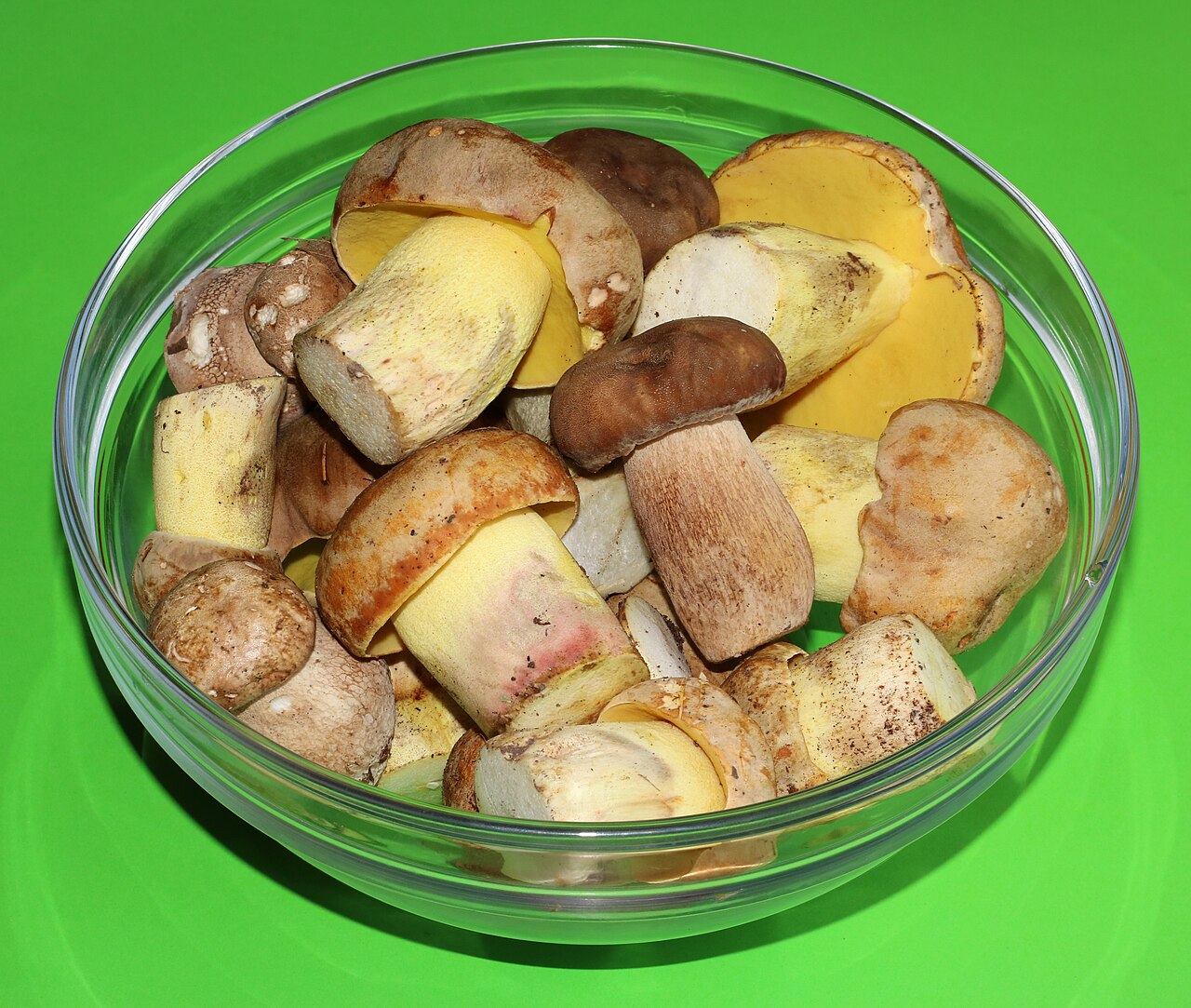
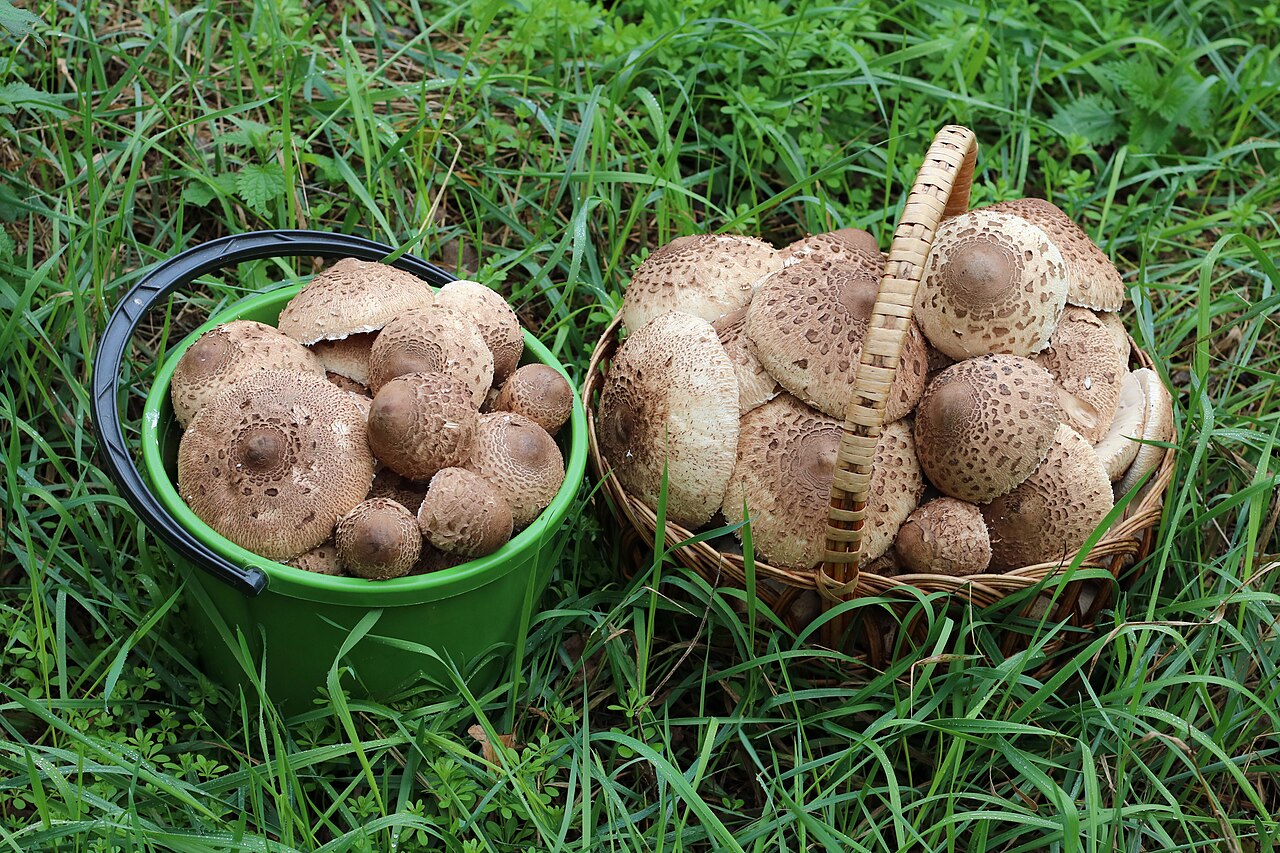
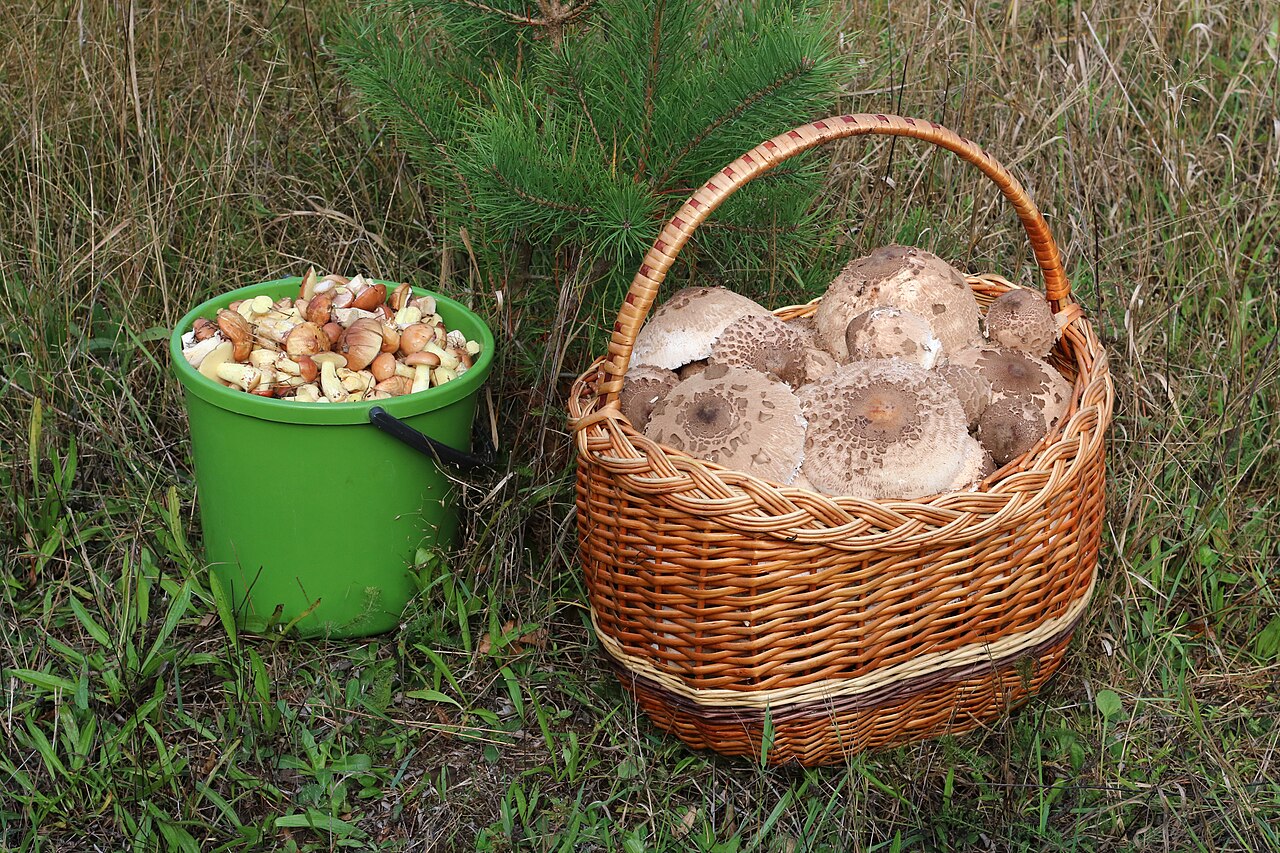
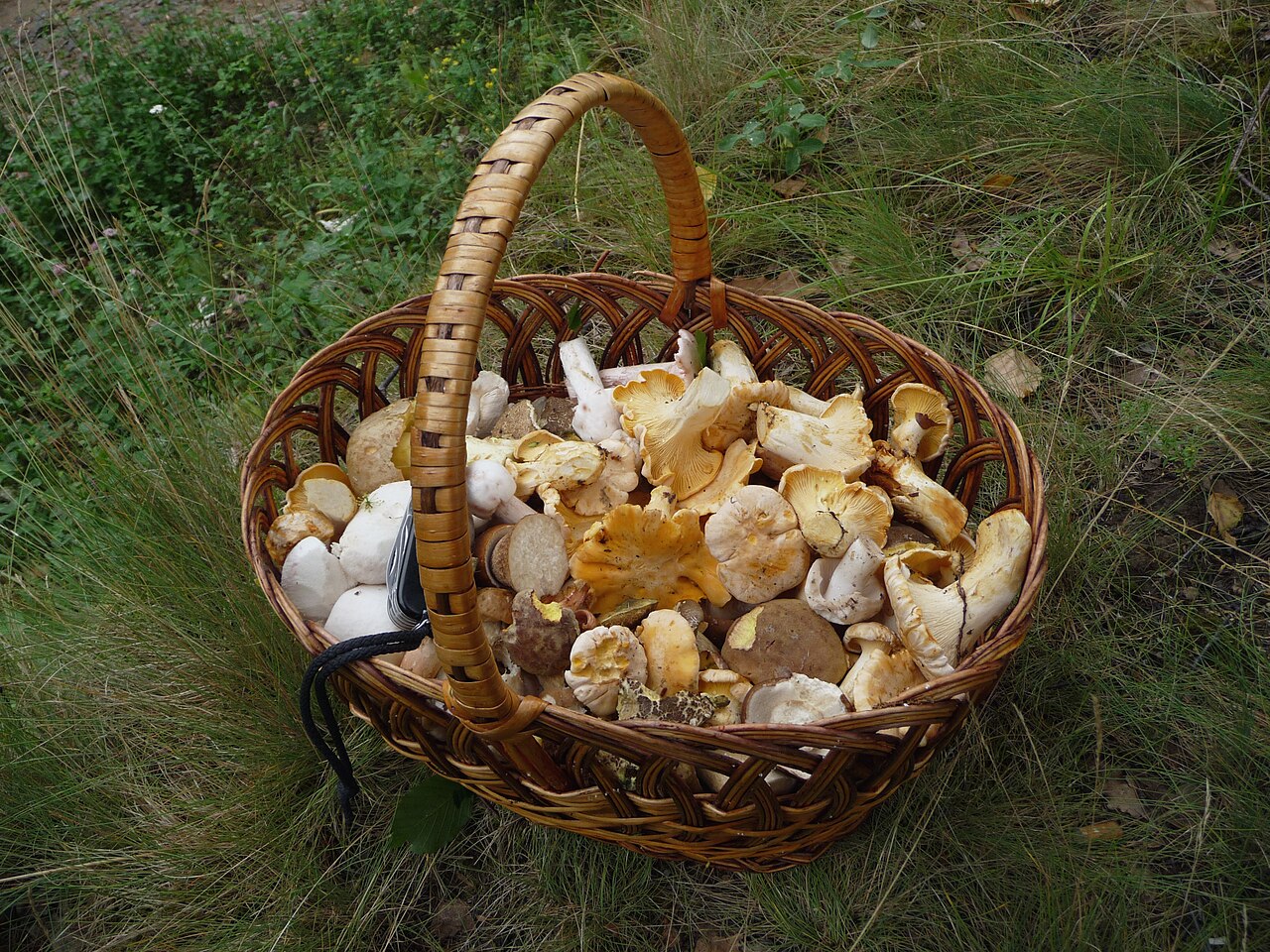
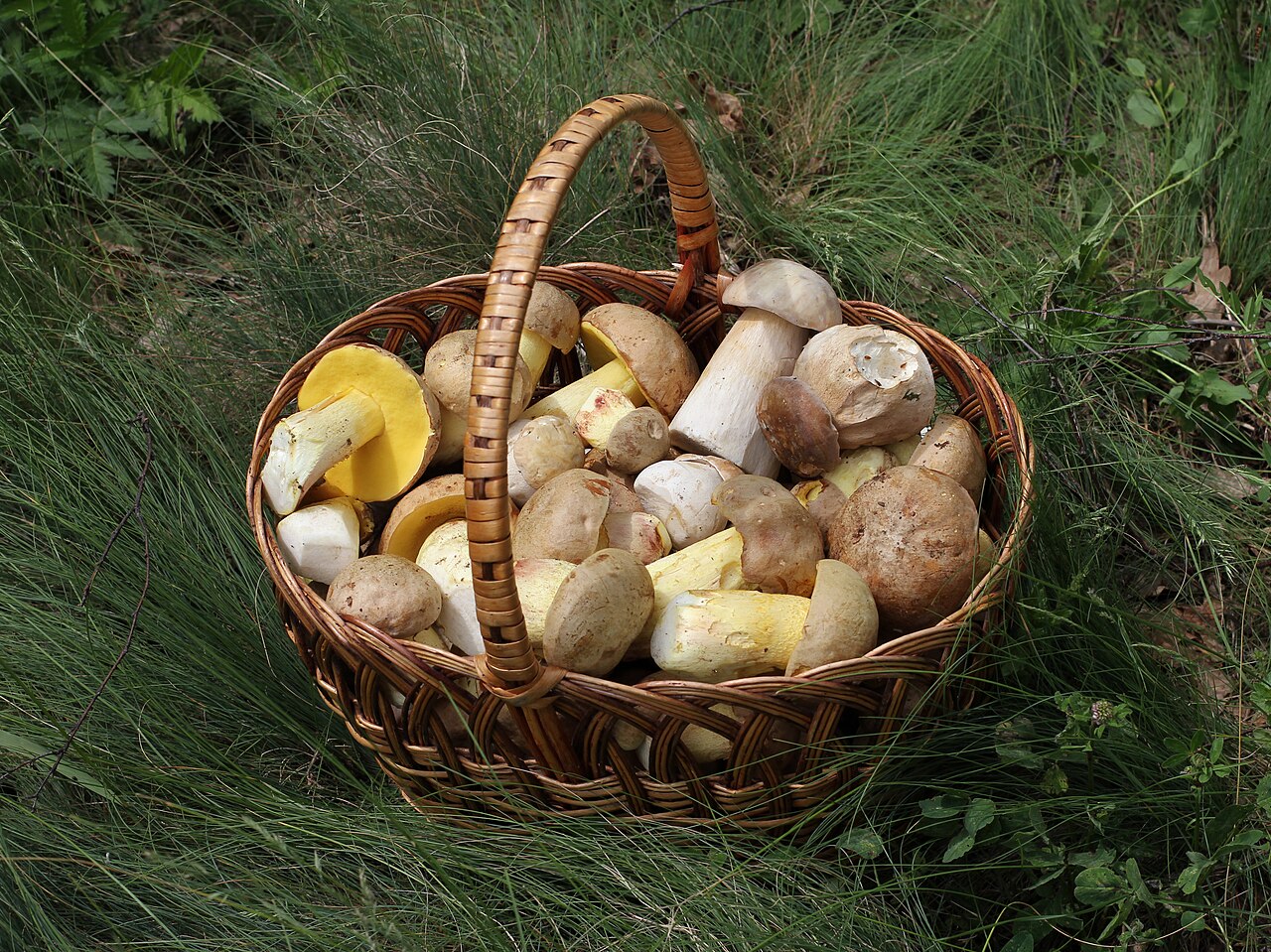
Edible mushrooms are the fleshy fruiting bodies of various fungi that have been correctly identified and prepared. Their edibility is judged by factors like pleasant taste and smell, as well as the lack of harmful toxins. People eat them for both their nutritional benefits and their use in cooking, and they are either grown through cultivation or gathered from the wild.
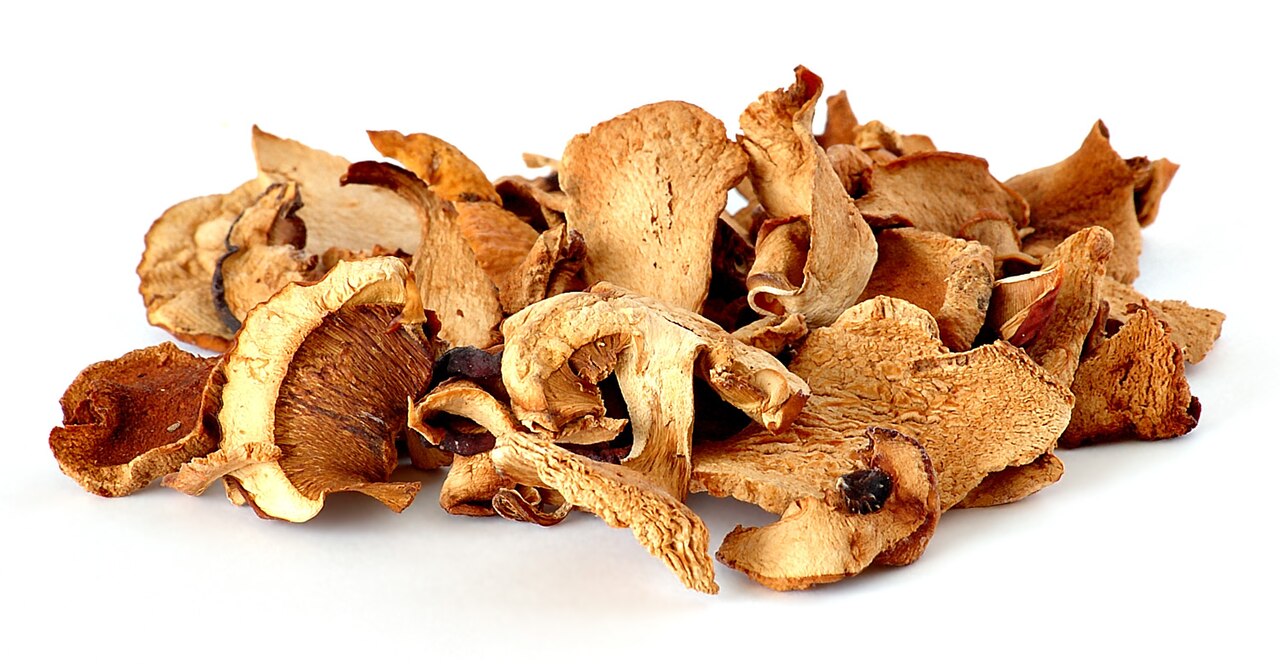
Common wild mushrooms and those that are easy to cultivate are frequently sold in markets when in season. Rarer types, such as truffles, matsutake, and morels, are harder to find and are often collected in smaller amounts, sometimes sold as luxury goods. Mushrooms can be bought fresh, and many are also available dried. Most edible species need to be cooked, and some require parboiling or slow cooking to break down toxins; only a few can be eaten raw. They can also be preserved by canning, drying, pickling, or salting.
To stay safe, wild mushrooms must be correctly identified before assuming they are safe to eat. Deadly poisonous mushrooms that are often mistaken for edible ones include several species from the genus *Amanita*, especially *A. phalloides*, known as the death cap. Some mushrooms that are safe for most people can cause allergic reactions in others. Old or improperly stored specimens can go bad and cause food poisoning. Mushrooms can also absorb chemicals from polluted areas, building up pollutants and potentially lethal heavy metals.
Psychoactive mushrooms, sometimes called magic mushrooms, can be confused with edible species. While not always deadly, accidentally consuming them can lead to an unintended psychedelic experience that ranges from mild to frightening or even depressing. The most common recreational types are *Amanita muscaria* (fly agaric) and *Psilocybe cubensis*; the former contains alkaloids like muscimol, and the latter contains psilocybin. In small doses, they may cause feelings of awe, visual hallucinations, and inner peace, but excessive or accidental use can bring on feelings of insanity, helplessness, and fear that last for hours.
Mushrooms have also been used medicinally in traditional medicine, though this use is not supported by strong evidence. In terms of nutrition, boiled white mushrooms are mostly water, with small amounts of carbohydrates, protein, and fat. They provide a good source of riboflavin, niacin, pantothenic acid, copper, and selenium,
- world_production_2023
- 45–48 million tonnes, led by China with an estimated 85–90% share
Lore & Background
The earliest claimed evidence of mushroom consumption comes from 13,000-year-old archaeological sites in Chile, though this interpretation is disputed and not widely accepted as definitive. Ötzi, the mummy of a man who lived between 3400 and 3100 BCE in Europe, was found with two types of fungus in his belongings—a birch polypore and tinder fungus—though neither is typically considered edible. Ancient Romans and Greeks, particularly the upper classes, used mushrooms for culinary purposes, and food tasters were employed by Roman emperors to ensure that mushrooms were safe to eat. The Forme of Cury, a 14th-century compilation of medieval English recipes, features a recipe of mushrooms and leeks cooked in broth.
Edible mushrooms include many fungal species that are either harvested wild or cultivated. Wild mushrooms can appear either below ground (hypogeous) or above ground (epigeous) and can be picked by hand. Correct identi
Reader's Guide
Edible mushrooms hold significance as a food source with a long history, from ancient archaeological sites to modern global cultivation. Their importance lies in both culinary and nutritional value, providing umami flavor and nutrients such as riboflavin, niacin, pantothenic acid, copper, and selenium. However, their legacy is tempered by the critical need for accurate identification to avoid deadly poisoning, as many toxic species closely resemble edible ones. The cultivation of mushrooms has become ecologically important, with concerns over depletion of wild populations like chanterelles in Europe, as some species remain difficult to cultivate. The 2023 world production of commercial mushrooms and truffles reached 50 million tonnes, dominated by China. Safety remains a central theme: cooking is often required to eliminate toxins, and even edible species can become dangerous if harvested from polluted areas. The potential for confusion with psychoactive mushrooms adds another layer of risk. Overall, edible mushrooms represent a valuable but cautious component of human diet and culture, balancing nutritional benefits with the necessity of rigorous identification and preparation.
Did You Know?
- The earliest evidence of mushroom consumption comes from 13,000-year-old archaeological sites in Chile.
- Deadly poisonous mushrooms frequently confused with edible ones include several species of the genus Amanita, particularly A. phalloides (the death cap).
- Mushrooms can absorb chemicals from polluted locations, accumulating pollutants and potentially lethal heavy metals.
- In 2023, world production of commercial mushrooms and recorded truffle collection was 50 million tonnes, led by China with 94% of the total.
A Kingdom Apart: The Biological Identity of Fungi
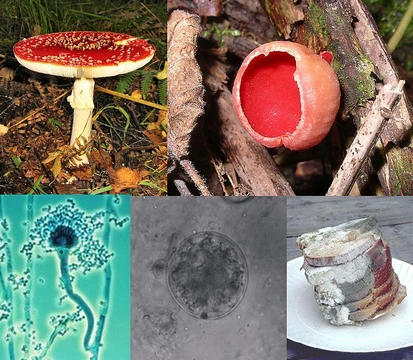
Fungi occupy a unique position in the tree of life, belonging to the kingdom Fungi (also called Eumycota or Eumycetes), a monophyletic group sharing a common ancestor. What sets them apart from plants, bacteria, and certain protists is the presence of chitin in their cell walls—a structural feature more closely associated with animal exoskeletons. Like animals, fungi are heterotrophs, meaning they cannot photosynthesize. Instead, they secrete digestive enzymes into their surroundings and absorb dissolved organic molecules to fuel their metabolism. Their only form of locomotion is growth itself, though a few spore types can drift through air or water, and some even bear flagella. Molecular phylogenetics has confirmed that fungi are genetically closer to animals than to plants, a finding that overturned centuries of assumption. The scientific discipline dedicated to their study, mycology, derives from the Greek word mykes meaning mushroom, and was once considered a subfield of botany before fungi earned their own kingdom.
Ecological Engine: Decomposition, Symbiosis, and Nutrient Cycles
In virtually every terrestrial ecosystem, fungi serve as the principal decomposers, breaking down dead organic matter and recycling nutrients back into the environment. This role in nutrient cycling is fundamental to the health of soils and the availability of minerals for other organisms. Perhaps even more remarkable is the mycorrhizal symbiosis: over 90 percent of plant species depend on fungal partners that form intimate associations with their root systems. Through this partnership, fungi enhance photosynthetic capacity in their host plants, which in turn draws more carbon dioxide from the atmosphere—a process that contributes to mitigating climate change. Fungi also act as symbionts with animals and other fungi, and some function as parasites. Most fungal organisms remain invisible to the casual observer, living cryptically in soil or on decaying matter, only becoming conspicuous when they produce fruiting bodies like mushrooms or molds. They are threatened by fungicides, pesticides, pollution, and deforestation, making their conservation an underappreciated environmental priority.
The Fungal Relationship with Humanity: Nourishment, Medicine, and Harm
Humanity's relationship with fungi spans thousands of years and touches nearly every aspect of daily life. Mushrooms and truffles have long served as direct food sources, while yeast fungi leaven bread and drive the fermentation of wine, beer, and soy sauce. Since the 1940s, fungi have been harnessed for antibiotic production, and their enzymes now find applications in industrial processes and household detergents. Biological pest control using fungi targets weeds, plant diseases, and insect pests. Yet the relationship is not purely beneficial. Many fungal species produce mycotoxins—bioactive compounds like alkaloids and polyketides—that are toxic to animals and humans. Fungal pathogens can devastate crops (rice blast disease is a notable example), spoil food supplies, and cause serious illness in people and livestock. A handful of species contain psychotropic compounds consumed in recreational or traditional spiritual contexts. Fungi can also degrade manufactured materials and buildings, reminding us that this kingdom is both an ally and a persistent adversary.
A Vast and Largely Uncharted Kingdom
The true biodiversity of the fungal kingdom remains one of biology's great mysteries. Estimates suggest between 2.2 million and 3.8 million species exist, yet only around 148,000 have been formally described. Among those known, over 8,000 species are detrimental to plants, and at least 300 can cause disease in humans. The morphological range is staggering, from single-celled aquatic chytrids to the large, familiar mushrooms that dot forest floors. Taxonomic work began in earnest with the 18th- and 19th-century contributions of Carl Linnaeus, Christiaan Hendrik Persoon, and Elias Magnus Fries, who classified fungi primarily by observable traits such as spore color and microscopic features. The advent of molecular genetics and DNA analysis has since challenged many of those historical groupings. Phylogenetic studies from the early 21st century have reshaped the kingdom's architecture, organizing it into one subkingdom, seven phyla, and ten subphyla. The word funga has even been proposed as a counterpart to fauna and flora, and in 2021 the IUCN's Species Survival Commission formally requested that phrase be adopted in conservation discourse.
Gallery
Frequently Asked Questions
What is an edible mushroom?
An edible mushroom is the fleshy, above-ground fruiting body of a fungus that has been correctly identified as safe and palatable. It is the part humans harvest and cook, distinct from the hidden mycelial network beneath the soil.
How do foragers determine whether a wild mushroom is safe to eat?
Identification hinges on confirming a pleasant taste and aroma, ruling out known toxic compounds, and matching the specimen against trusted references. Mistaking a poisonous species for an edible one can be lethal, so meticulous verification is non-negotiable.
Where do edible mushrooms come from?
They are either grown through cultivation in controlled farms or gathered from forests and other wild habitats. Common species appear in markets during their season, while rarer varieties like truffles, matsutake, and morels are collected in smaller, more localized quantities.
Why are edible mushrooms valued in cooking and nutrition?
They deliver a rich umami flavor alongside protein, fiber, vitamins, and minerals, making them a versatile ingredient across many world cuisines. Their nutritional profile and taste are the main reasons people seek them out at markets or in the wild.
How much edible mushroom is produced globally?
World production in 2023 is estimated at roughly 45 to 48 million tonnes. China leads the industry, contributing an estimated 85–90 percent of that total output.
More in Fungi And Fungus-Like Organisms 1-24
Spotted an error? Know more?
This is a living reference — every entry is fact-audited, and reader corrections feed straight into our audit queue. Suggest an edit · See this site's audit record